As a single-family rental landlord in Oregon, you shoulder multiple responsibilities to ensure your property remains in good condition for tenants. One of the most important tasks is documenting habitability so you can address repairs, give proper entry notices, and avoid disputes. If you are not proactive about documenting habitability Oregon rental rules, you risk legal problems, tenant conflicts, and potentially expensive fines. Knowing how to handle these obligations can protect you and your renters for years to come.
In this guide, you will discover the essential steps for creating a thorough paper trail on a property’s condition, communicating effectively with tenants, and resolving repair issues before they escalate. By following these principles, you will be better equipped to maintain high occupancy and keep your investment in top shape.
Know your habitability obligations
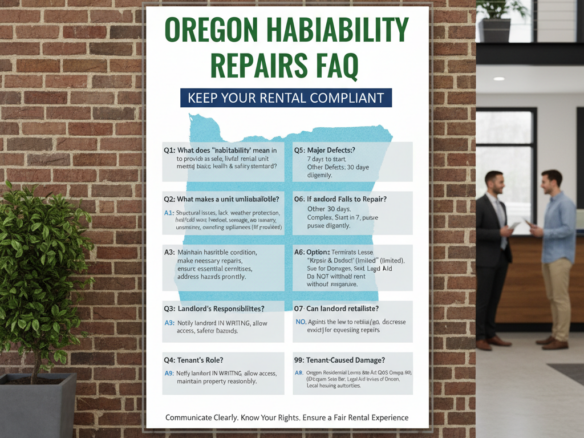
Oregon’s landlord-tenant laws require you to provide safe, livable housing. A habitable space includes working utilities, proper heating, reliable plumbing, adequate locks, secure windows, and structurally sound walls and floors. If any of these basics fail, your legal obligations may come into play. The moment a tenant notifies you of a serious problem, you are expected to act promptly.
At the same time, tenants must uphold their end of the tenancy by informing you of issues in a timely manner, keeping the rental clean, and following the lease terms. However, it is ultimately your job to ensure that health and safety standards remain intact. Understanding these obligations and how they apply to single-family rentals reduces the risk of confusion down the road.
You should be familiar with Oregon Revised Statutes (ORS) that relate to rental habitability. These outline the bare minimum standards a property must meet. Staying on top of legislative updates can also help you anticipate tenant questions or legal changes that might impact you in the future.
Document the property condition
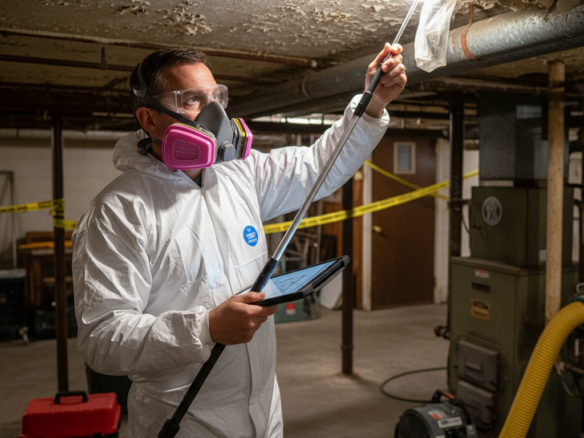
A critical part of maintaining habitability is creating consistent, clear records of your property’s condition. Detailed documentation not only helps you track ongoing maintenance needs but also serves as protection if tenant disputes arise. You can use photos, inspection checklists, and written notes to verify that problems either do not exist or have been addressed.
It can be a smart idea to conduct a thorough move-in inspection with tenants present. This allows you to point out any existing wear and tear, so there are no misunderstandings later. As you create inspection records, be sure to capture details like the condition of floors, walls, doors, fixtures, appliances, and any other elements the tenant will regularly use. Even minor leaks or cosmetic blemishes should be noted.
Below is a quick list of essential steps when documenting a rental’s condition:
- Take date-stamped photos in each room, including closets, halls, and storage areas
- Complete a written checklist of each room’s appliances and fixtures
- Label any damage or discoloration for clarity
- Have the tenant sign or initial a copy of the inspection report
Keeping these details together in a digital folder or binder means you can easily reference them if there is a disagreement over who caused a particular stain or scratch. Regular inspections, at least once or twice a year, also keep you updated on your property’s state and help you spot issues before they get worse.
Provide correct entry notices
Even when major repairs are not needed, routine checkups, maintenance, and inspections are part of being an attentive landlord. However, in Oregon you must provide proper notice before entering your tenant’s home. This ensures your visits do not feel intrusive and that everyone’s privacy rights are respected.
Generally, Oregon law requires you to give at least 24 hours’ written notice before entering the property for non-emergency reasons. The notice should include the intended date and time of entry, plus a statement about why you need to come by. Emergencies like sudden flooding or fire may require immediate entry with no advance warning, but these scenarios are exceptions rather than the rule.
Make sure you deliver notices in writing. Email or text might seem quick but can be legally ambiguous if your tenant disputes receiving it. Whenever possible, confirm with your tenant that they got the message. Clear communication about entry times helps maintain trust and reduces the likelihood of accusations that you invaded their privacy.
Handle repairs effectively
No matter how well you keep up with routine maintenance, occasional repairs are inevitable. From leaky faucets to malfunctioning heaters, you never know when a tenant will call with an urgent request. Addressing repairs quickly is your best defense against bigger, costlier problems.
Start by encouraging tenants to report issues in writing, such as through email or a dedicated property management portal. When you receive a repair request, respond as soon as possible. Even if you cannot fix the problem immediately, let the tenant know you are working on a solution. This demonstrates good faith and signals you take their concerns seriously.
In many cases, Oregon law sets timeframes for resolving specific repairs that impact habitability. For instance, a major water leak or broken heating system may require immediate attention to comply with health and safety standards. Once repairs are completed, document the date, type of service performed, and any new parts installed. Attach pictures of the fixed area to confirm the improvement. Detailed records can help resolve future questions if a tenant claims you overlooked a problem.
Keep records to avoid disputes
Thorough recordkeeping is your best friend when it comes to documenting habitability Oregon rental requirements. Whether you manage everything electronically or prefer a physical binder, the important thing is to store and organize the following:
- Signed lease agreements and addenda
- Move-in and move-out inspections, including checklists and photos
- Notices and communications about property entry
- Logs of all repairs, dates, costs, and outcomes
- Any updates or modifications requested by the tenant
This information gives you a complete look at your property’s history and your diligence in maintaining habitability. It also shows how you have honored your obligations under Oregon law. If a tenant claims you failed to fix a problem or that you entered without permission, your records can demonstrate your compliance with legal procedures.
If you realize third-party vendors did some repairs without providing you with documentation, contact them for receipts or invoices. Having full documentation for each service call ensures you have proof that the job was done and that you responded promptly. You might also document phone calls by noting the date, time, and a summary of what was discussed.
Organizing your records gets easier if you create a consistent system. Name each file or folder with a clear title or date, and keep backups of digital information. Some landlords find it helpful to keep monthly or quarterly summaries of expenses, repairs, and major communications with tenants. A small investment of time in your paperwork regimen can pay off significantly if you ever land in court or face a tenant complaint.
Final thoughts
Documenting habitability in Oregon rentals starts with knowing your responsibilities and putting strong processes in place for inspections, notices, and repairs. By referring to careful notes, photos, and records, you demonstrate your commitment to providing a safe, comfortable environment for your tenants. In turn, you reduce conflict, keep everyone happier, and preserve the quality of your investment property.
None of this requires sophisticated technology or excessive budgets. It simply calls for consistent follow-through every time you communicate with renters or handle a repair. When you make your documentation routine and transparent, it builds trust and keeps disputes at bay. If you do find yourself in a legal dispute, your evidence will be far more compelling than any verbal agreement or vague recollection.
By tackling these tasks methodically, you show tenants you value their well-being and minimize the chance of costly misunderstandings. After all, a well-documented property is one that is easier to manage, maintain, and market well into the future.