Natural disasters, time, and everyday wear can take a toll on older Portland properties. If you own a rental home that was built decades ago, there is a good chance you will encounter potential hazards like asbestos and lead paint. Keeping up with the latest asbestos abatement guidelines in Portland is crucial if you plan to renovate. Not only are you protecting your tenants from long-term health risks, you are also ensuring that your property complies with local regulations.
Below is a friendly, comprehensive overview of the major safety considerations for older rental properties. Think of it as your 2026 guide for tackling lead paint, asbestos, and other hazards. By following these steps, you will be able to renovate with confidence while keeping everyone healthy and safe.
Know the major hazards
Any renovation in an older home comes with a unique set of concerns. Two of the most prominent dangers are asbestos and lead paint. As a landlord, you want to be absolutely sure you understand how these materials might appear in your property.
Asbestos is commonly found in ceiling tiles, flooring adhesives, insulation, and even pipe wraps. Because it was widely used throughout much of the 20th century, many Portland properties built before the 1980s contain it. Lead paint, on the other hand, can lurk in walls, doors, windowsills, and trim in homes that date back before 1978. Careless renovation can release lead paint chips and dust, a known risk factor for serious health issues in children and adults.
If you have not done so already, schedule a thorough inspection of older units to check for these hazards. It is always better to find out ahead of time than to stumble across them mid-renovation.
Comply with Portland regulations
Portland has strict rules designed to safeguard residents from harmful materials. You will need to follow local building codes, as well as Environmental Protection Agency (EPA) guidelines, particularly for lead-based paint. In many cases, you will also need to work with licensed professionals who understand asbestos abatement guidelines in Portland.
While some smaller tasks, like limited patchwork, might be permissible for landlords to handle themselves, more complicated projects generally require certified contractors. Before starting, research current city requirements so that you do not accidentally violate any regulations. You might need permits, specialized training, or official documentation—depending on the extent of your remodel and the age of your building.
Handle asbestos responsibly
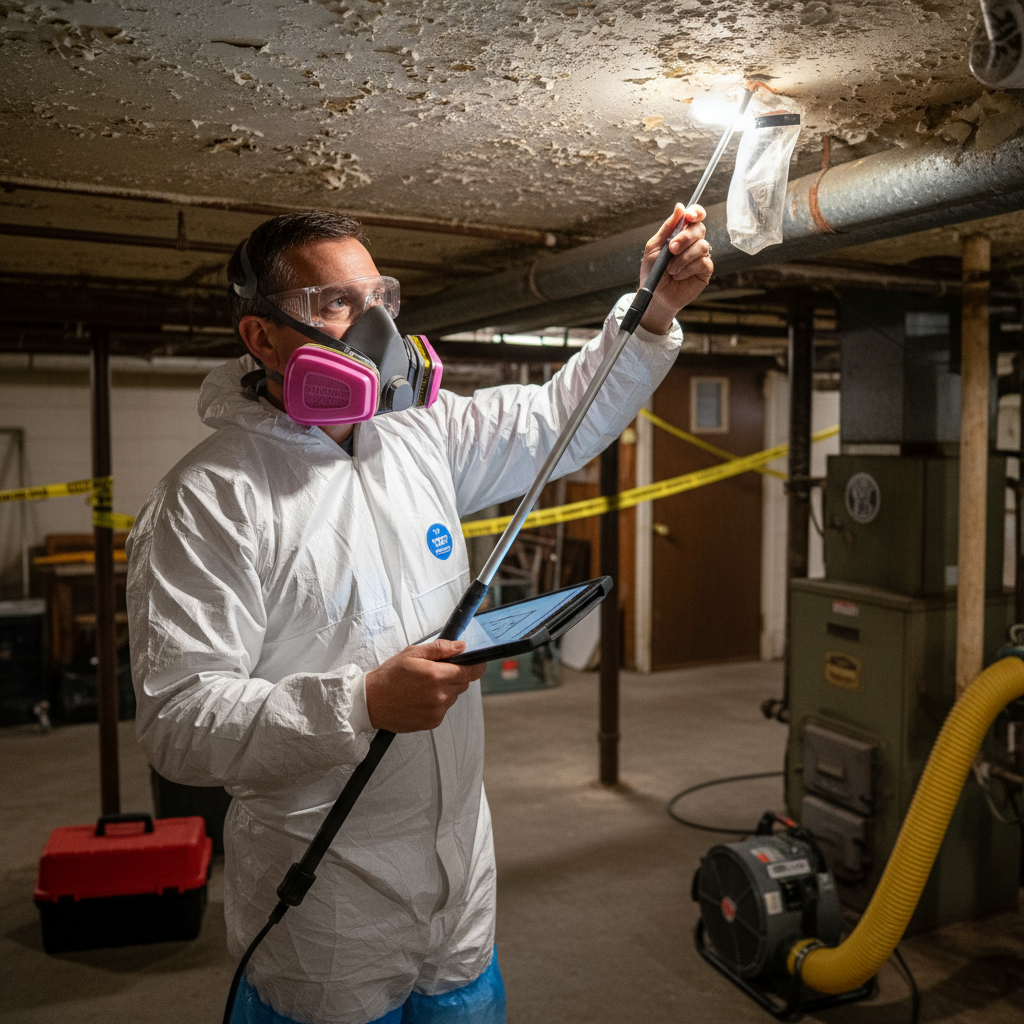
Asbestos becomes dangerous when the fibers break free and go airborne. Inhaling these fibers can lead to serious respiratory complications over time. Because you cannot always see or smell asbestos, it is essential to test any suspect materials before renovations begin. Laboratory analysis can confirm its presence with a small sample, but never try to collect that sample yourself without proper equipment.
If your laboratory results come back positive, it is time to bring in a professional asbestos abatement team. They will determine whether your property needs a full removal, partial repair, or encapsulation. Attempting to remove asbestos on your own is not only illegal in some instances, it is also extremely hazardous to your health. Proper training, specialized equipment, and adherence to disposal procedures all play a role in safely managing asbestos materials.
Address lead paint issues
Just like asbestos, lead paint can pose serious health risks. Children and pregnant women are especially vulnerable to lead poisoning, which can cause developmental delays and other complications. If your rental home was built before 1978, there is a significant chance that at least some of the paint contains lead.
One of the best ways to address lead paint is through “lead-safe” practices. This typically includes wearing protective gear, properly sealing off your work area, and thoroughly cleaning up dust and debris after scraping or sanding. If you are planning a large-scale renovation, you may need to hire a lead-safe certified contractor. This certification ensures that the professional has passed an EPA-approved training program, which helps minimize contamination.
Prepare your 2026 checklist
Renovating with asbestos and lead paint in mind can feel overwhelming. To simplify your efforts, consider using a structured checklist whenever you begin work. The goal is to protect your tenants, follow the law, and upgrade your rental with as few stressors as possible. Here is a quick reference table that outlines common hazards and recommended actions:
| Hazard | Key risk | Recommended action |
|---|---|---|
| Asbestos (in walls, insulation, tiles) | Airborne fibers leading to respiratory issues | Hire certified abatement team for removal or encapsulation |
| Lead paint (in pre-1978 surfaces) | Chronic exposure causing health impacts | Conduct lead-safe practices or hire certified professionals |
| Mold growth (often behind walls) | Allergic reactions, respiratory illness | Fix leaks quickly, ventilate, and remove mold properly |
Use this table as a starting point. You may also want to add other hazards specific to your property. Every older building is different, so having a repeatable process can help you stay organized year after year.
Protect your tenants’ well-being
When you are a landlord, your renovation choices directly affect the people who call your property home. Good communication is key. Let your tenants know well in advance if you suspect asbestos or intend to remove lead paint, and explain the general plan for remediation.
Sometimes, temporary relocation during the most disruptive stages of work might be necessary. In that situation, you could offer prorated rent or arrange alternative accommodations until the hazards are fully addressed. Even smaller-scale tasks can cause dust and debris, so take extra steps—like sealing vents, installing plastic barriers, and using HEPA filters in your vacuum—to ensure that hazardous particles do not spread throughout the living space.
It is also important to consider how frequent maintenance tasks, like drilling holes in walls or removing old fixtures, can inadvertently release toxins. Make sure that any maintenance staff who sets foot on the property is trained to handle potential issues correctly. They should know what protective gear to wear, how to detect early signs of asbestos or lead exposure, and when it is time to get professional help.
Takeaways for safe renovations
Older rental homes in Portland are often filled with charm and history, but they also come with added responsibility. From following asbestos abatement guidelines in Portland to using lead-safe practices, landlord obligations have never been more critical. By staying prepared, you will minimize health risks and keep your tenants feeling comfortable and secure.
Pay attention to:
- Signs of possible asbestos in older construction materials.
- Mandatory inspections and certified professionals for removal.
- Lead paint testing and lead-safe renovation practices.
- Thorough tenant communication to build trust.
- A well-structured safety checklist that covers every step of your renovation.
Whether you are planning a smaller rehabilitation project or a top-to-bottom remodel of your Portland rental, prioritizing environmental safety sets you up for long-term success. Your tenants will thank you, and you will maintain a property that meets modern regulations without compromising its classic character.