If you suspect your rent increase goes beyond Oregon’s legal limits, understanding screening tenant rights rent increase Oregon regulations can be crucial in protecting yourself. By confirming the exact cap for 2026, reviewing your rental documents, and communicating effectively, you can navigate the process with confidence. Use the following guide to familiarize yourself with key steps, stay within your legal rights, and maintain a cordial relationship with your landlord.
Check the Oregon rent increase cap
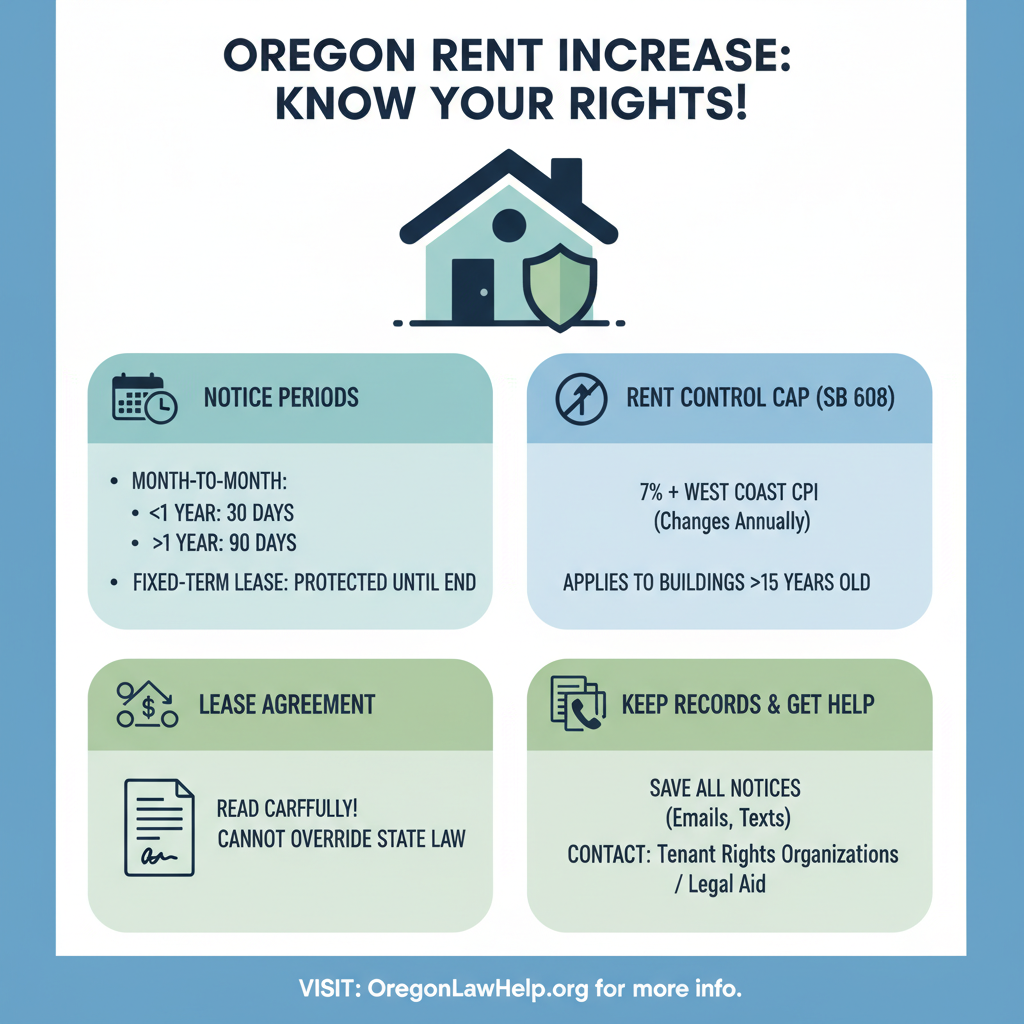
Oregon has a statewide rent control policy that limits how much your landlord can raise your rent annually. Although the specific percentage cap can vary from one year to the next, it typically factors in a combination of local inflation rates and a fixed percentage. Your first task is to check the current cap, which you can usually find on state or local housing websites.
Double-check whether your building or landlord qualifies for exemptions. For instance, newer properties under a certain age may not fall under the same regulations, and certain federally subsidized housing could have different guidelines. Once you know the official maximum percentage increase allowed, compare it to your landlord’s proposed figure. Even if it’s just a few percentage points above the cap, that difference could significantly impact your monthly budget.
Gather your screening documents
To fully protect your tenant rights, take a closer look at any screening documents you completed when you first applied for the unit. These records often include your rental application, background report, credit check, or other specifics your landlord used to approve your tenancy.
Tracking the paperwork you submitted not only helps you recall important details such as lease start dates, but also establishes a baseline. Why is this baseline so essential? Because if you started renting the unit under specific conditions—like a promotional rate, reduced deposit, or other arrangement—your landlord must still follow Oregon’s rent control guidelines when adjusting the price. Having these papers in order makes it easy to demonstrate the terms you originally agreed upon.
Confirm proper notice requirements
As important as the percentage limit is, Oregon landlords must also follow strict notice rules when increasing rent. If your landlord hasn’t given you proper notice, even a legally compliant increase could be invalid. Typically, landlords in Oregon must provide at least 90 days of written notice before the new rate takes effect, though specifics can change as legislation evolves.
If you haven’t received a formal letter or email, or if it arrived too close to the date the rent is supposed to go up, you should politely let your landlord know that state law mandates a particular notice period. Keep your communication clear, brief, and professional. Having a paper trail of all communications about the rent notice can protect you if a dispute arises.
Steps to verify the notice
- Check the date you received the notice and compare it to the planned start date of the new rent.
- Confirm that the notice is in writing (electronic or physical).
- Look for any mention of the new amount and the date it becomes effective.
- Note any additional information about other changes to your lease, such as fees or updated policies.
Communicate with your landlord
Even if you suspect the rent increase might be illegal, direct communication often helps clear things up. You could find your landlord made a simple calculation error, or they might not yet be aware of updated rent control guidelines for 2026. A brief, polite conversation—or an email if that feels more comfortable—can resolve confusion before it escalates.
Explain your concern about the rent cap and request clarification on how they arrived at their new amount. Reference Oregon’s rent control law and provide the relevant numbers you’ve uncovered. Sometimes, landlords are willing to adjust the proposed figure if you back it up with the correct information. If you feel uncertain about speaking on legal points, consider seeking advice from a local housing advocacy group or tenant rights organization before you initiate the conversation.
Plan your legal options
If you’ve gone through all the steps—verifying the rent cap, gathering screening documents, confirming proper notice, and communicating with your landlord—yet the issue remains unresolved, you may need to explore more formal routes. Start by researching local mediation services or nonprofit legal clinics that specialize in tenant rights. These organizations can provide guidance on common pitfalls, help you draft responses, and point you to legal resources.
In some cases, you might file a formal complaint with a state agency or pursue small claims court if you believe the landlord is violating the law. If you choose this path, be sure to gather all supporting documentation, such as your original lease, rent receipts, a copy of the increase notice, and evidence of your communications. Preparing a concise, chronological folder of these items strengthens your position and establishes a clear record of events.
Maintain a proactive mindset
Throughout this entire process, it’s beneficial to think one step ahead. Keep track of Oregon’s evolving rental regulations by bookmarking reliable websites or news sources that cover housing policy changes. By staying informed, you’ll instantly know when the state updates any rules on allowable rent increases, notice requirements, and exceptions.
Though it may feel overwhelming at first, stepping back and reviewing all your documents calmly can help you handle the situation more effectively. With thorough research and clear communication, you can uphold your rights while preserving a functional relationship with your landlord—a key ingredient for comfortable, long-term housing stability in Oregon.
Key takeaways
• Start by verifying the state-issued rent increase cap and check whether your building has any special exemptions.
• Gather your rental application and screening documents to verify what you originally agreed upon.
• Make sure your landlord meets the correct notice period, which typically spans 90 days.
• Discuss your concerns openly. Mistakes happen, and many landlords are willing to negotiate when presented with facts.
• Seek professional guidance if your efforts go unanswered or if the situation escalates.
By following these steps, you can stay within the limits set by Oregon’s rent control law and maintain a comfortable place to call home. While dealing with rent hikes is never fun, knowing how to screen your situation and assert your rights gives you the best chance at a fair resolution.