Understand the BRRRR method in 2026
If you’ve been searching for brrrr real estate tips 2026, you already know that BRRRR stands for Buy, Rehab, Rent, Refinance, Repeat. This strategy is popular among real estate investors who want to accumulate properties without constantly sinking money into new down payments. In 2026, interest rates in Oregon have shifted, housing demand continues to evolve, and investors are wondering if BRRRR can still deliver solid profits. The short answer is yes, but successful outcomes require more precise planning and market awareness than ever before.
BRRRR is about forcing equity. You buy a property at a discount, renovate it to increase its value, then rent it out to generate steady income. Next, you refinance the improved property to pull out your initial capital (or more), and use that funding to buy your next deal. It might sound like a straightforward plan, but higher borrowing costs in 2026 add a bit of complexity. A few well-timed moves in Oregon’s real estate landscape, however, could still help you grow a long-term portfolio without draining your bank account.
Assess Oregon’s 2026 real estate market
Before you dive into buying and rehabbing, take stock of Oregon’s local market conditions. Although the state remains a popular location thanks to strong job prospects and outdoor attractions, certain areas have become more competitive than others.
Try focusing on neighborhoods where home values are on the rise but haven’t reached their peak. A key aspect is finding undervalued properties that still meet your criteria. Look for places that have:
- Steady population growth
- Access to amenities such as grocery stores and public transportation
- Ongoing infrastructure improvements or new businesses moving in
High-interest rates could shrink buyer pools, meaning you can occasionally snag a better deal. Always evaluate the property’s potential to appreciate in the local climate, and factor in your rehab budget to estimate if the equity gain after improvements is worth the effort.
Overcome interest rate challenges
Rising interest rates make financing more expensive, but that doesn’t have to derail your BRRRR strategy. Instead, you need to coordinate each step carefully:
• Lock in the best rate: Shop around for lenders to find competitive terms, and consider working with a mortgage broker who understands local investor needs.
• Embrace adjustable-rate mortgages (ARMs): If you expect rates to drop in a few years, an ARM could serve as a temporary solution until you can refinance at a fixed rate.
• Explore private money or hard money: Private lenders may offer flexible short-term loans, which can help you move quickly on a distressed property. Just be sure to structure the deal so that you can refinance before high rates eat into your profits.
Staying open to various financing options allows you to pivot quickly and negotiate optimal terms for your acquisition and rehab loans, which is critical when every percentage point matters.
Plan your rehab strategy
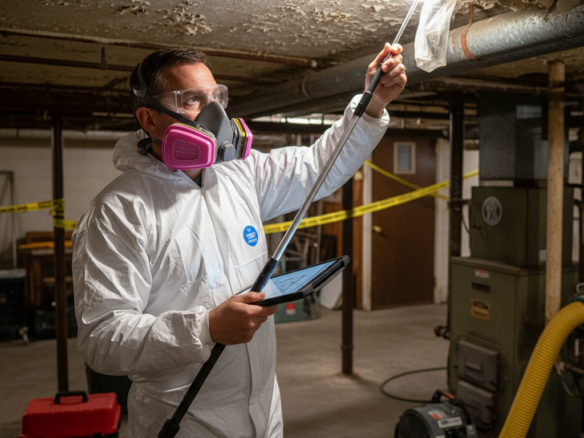
Once you’ve closed on that discounted property, the clock is ticking. Your rehab plan should be well-researched and realistic. Cutting corners can lead to patches of poor workmanship and lower appreciation, while overbuilding might reduce your returns if the local market doesn’t support premium finishes.
Focus on renovations that produce the strongest impact on value:
- Kitchen updates that feature moderate yet modern materials
- Bathroom improvements, including fresh fixtures and updated tile work
- Energy-efficient windows or insulation that lower utility costs
- Open layouts or strategic floor plan modifications that enhance living space
Aim for cost-effective upgrades that stand out without blowing up your budget. A good strategy involves striking a balance between appealing aesthetics and durable construction.
Secure tenants for stable rent
Having high-quality tenants is your ticket to consistent monthly cash flow. In 2026, more people may be seeking rentals due to tighter interest rates for home purchases, which can work in your favor as a landlord. To find trustworthy tenants, refine your screening process:
- Conduct thorough background and credit checks.
- Verify rental history by reaching out to previous landlords.
- Check employment status and income to confirm rent affordability.
A fair, consistent screening approach protects you from headaches down the road. Offering attractive amenities or flexible lease terms, such as allowing pets or providing parking spaces, helps you stand out in Oregon’s rental market. By prioritizing tenant satisfaction from the start, you reduce turnover and keep your investment cash flow predictable.
Refinance for long-term success
Refinancing is where the BRRRR strategy truly shines, because it lets you recover your upfront costs and potentially even extract some profit to put toward your next project. In 2026, you’ll want to be strategic when choosing the perfect moment to refinance.
• Time your refinance: Keep an eye on federal rate shifts and any local economic factors that could impact Oregon’s lending environment.
• Improve your credit profile: Paying down high-interest debts and using automated payments to avoid late fees can help secure a more favorable refinance rate.
• Hunt for lender incentives: Some banks offer reduced closing costs or special promotions for current customers. Refinancing can be expensive, so every reduction helps.
By locking in a lower rate or a better term, you free up cash flow and maximize your monthly profits. In some cases, a well-executed refinance can fund your next down payment, reusing the same capital to rapidly build a portfolio.
Evaluate risk and manage pitfalls
Every real estate deal comes with potential pitfalls. In Oregon, changing regulations, zoning requirements, or local economic conditions can all create unexpected obstacles. It’s wise to develop a plan for mitigating these risks:
- Build a reliable team: A strong network of realtors, contractors, property managers, and lenders can alert you to issues early and guide you toward better decisions.
- Keep emergency reserves: Set aside funds for unforeseen repair costs, tenant turnover, or a refinancing process that takes longer than expected.
- Research neighborhood changes: Infrastructure improvements are great for value, but sudden re-zoning or local business closures could slow appreciation.
- Run the numbers on various loan scenarios: If interest rates climb unexpectedly, you’ll be prepared with alternate financing solutions.
When you have contingency plans in place, you’re less likely to be caught off-guard by a shifting market or an unexpected expense.
FAQs about BRRRR in Oregon
Below are common questions investors are asking when they look for brrrr real estate tips 2026 and wonder whether the strategy still works.
Is BRRRR still profitable at today’s higher rates?
Yes, but you’ll need to be more selective about your properties and mindful of rehab costs. In some cases, the return might be slightly lower than when rates were at historic lows, but leveraging forced appreciation can compensate for higher monthly payments.
How long does the entire BRRRR process take?
Typically, you can complete a cycle in six months to a year, depending on property condition and local permitting times. Some investors try to move faster, but rushing can lead to missed details that impact your bottom line.
What happens if I can’t refinance on time?
Preparation is key. If you can’t refinance immediately, look into short-term lending solutions or potentially keep it as a conventional rental until rates shift. Having a plan B and a cash reserve keeps you from being stuck with unfavorable loans.
How do I handle rising construction costs for rehabs?
Work with contractors who offer detailed quotes and fixed pricing as much as possible. Schedule work during off-peak seasons if you can. Also, consider combining material orders for multiple properties to gain volume discounts.
Should I manage the property myself or hire a manager?
It depends on your experience and time availability. If you’re juggling multiple projects or prefer a more hands-off approach, a property manager can be invaluable. Just ensure their fees align with your projected cash flow and you maintain clarity on tenant communication.
Key steps to remember
The BRRRR process isn’t a quick fix, but rather a system that can steadily increase your portfolio’s value, even with evolving interest rates. Here is a summary table of each phase:
| Step | Action | Key consideration |
|---|---|---|
| Buy | Acquire property below market value | Critical research, thorough home inspection |
| Rehab | Make smart improvements | Reliable contractors, realistic budgets |
| Rent | Secure stable tenants | Proper screening, attractive amenities |
| Refinance | Recover and reinvest capital | Shop lenders, optimize timing for best rates |
| Repeat | Scale your investment portfolio | Monitor market trends, refine your approach |
If you plan wisely, negotiate strong deals, and stay on top of Oregon’s shifting market dynamics, you can still excel with BRRRR in 2026. This powerful approach hinges on buying strategically, adding value through precision rehab, securing reliable tenants, and timing your refinance for maximum savings.
When executed well, the BRRRR strategy remains one of the best ways to build wealth in real estate. With higher rates and a dynamic Oregon market, adaptability is your secret weapon. Each project you complete lays the foundation for the next, helping you compound your returns in a sustainable way.
Remember, your success is tied to preparation, calculation, and a willingness to adjust as conditions evolve. Stick to these core principles, and you’ll have plenty of opportunities to profit from BRRRR in Oregon’s unique 2026 housing market.