Oregon’s real estate market can be competitive, especially as you evaluate heating solutions for your property. Whether you’re renovating a unit or planning new construction, it’s essential to understand Oregon heating incentives and costs so you can get the most from your investment. By factoring in everything from local policy trends to comfort preferences, you’ll be better equipped to choose between a heat pump and a furnace in 2026. Below is your definitive guide to help you make a decision that both tenants and future buyers will value.
Explore Oregon heating incentives
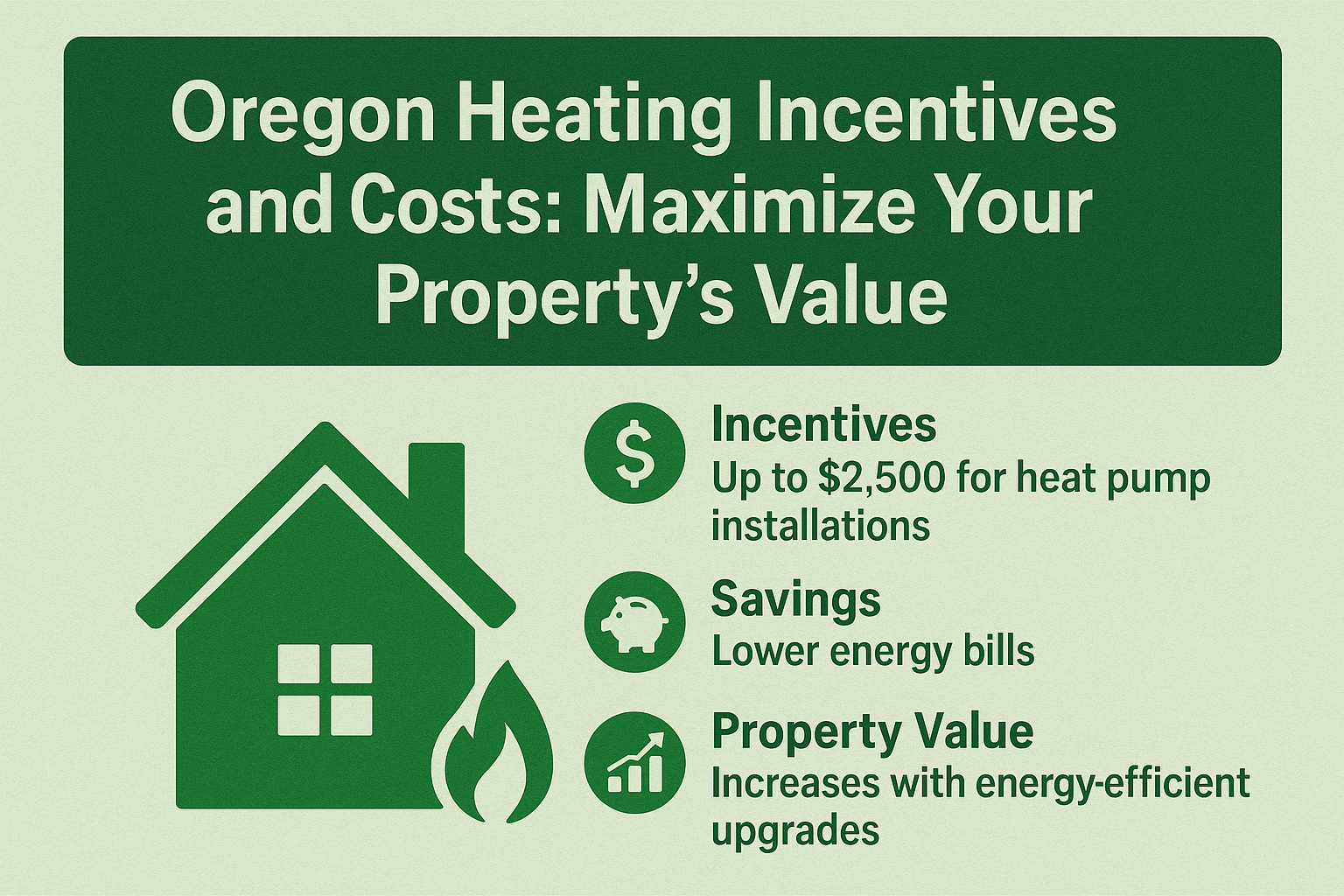
Heating incentives can significantly lower your upfront costs. In recent years, Oregon has introduced a variety of statewide and utility-specific programs encouraging energy-efficient installations. From manufacturer rebates to possible tax credits, these incentives often favor heat pumps over traditional furnaces because of their efficiency.
That said, you’ll want to carefully review the terms of any incentive plan. Some incentives only apply to certain property types, while others have income-based eligibility. Local utilities may also partner with state authorities, offering additional funds if your system meets specific efficiency ratings. Before finalizing your choice, take a close look at how each incentive might cut your total installation cost.
Common incentive categories
- Utility rebates that reduce equipment costs.
- State tax credits for energy-efficient upgrades.
- Manufacturer promotions on select heat pump models.
- Low-interest financing through local energy programs.
If you combine all available rebates and credits, your dream of installing a high-efficiency system can become more affordable than you think. This kind of support is especially valuable if you plan to keep the property for several years and want to maximize your return on investment.
Compare heat pumps and furnaces
When deciding between a heat pump and a furnace, performance and reliability are often top priorities. Heat pumps operate by transferring heat rather than creating it through combustion, making them generally more efficient in moderate climates. They cool your property in the summer, eliminating the need for separate air conditioning units. Furnaces, on the other hand, excel in colder temperatures and can provide consistent heating even during Oregon’s chilliest winter nights.
Your choice ultimately depends on the region of Oregon where the property sits. Coastal and valley areas with milder winters offer ideal conditions for a heat pump. Eastern Oregon, with its harsher temperature swings, might still favor a furnace unless you invest in a high-performance heat pump that’s designed for very low temperatures. Whatever you decide, keep in mind that future technological advances may continue to improve heat pump efficiency for colder climates.
Understand comfort in Oregon climate
Oregon’s climate varies widely based on location and elevation. If your property is located in the western part of the state, you likely experience milder winters, which can make a heat pump’s continuous heating (and cooling) a strong advantage. By contrast, if you own property in the high desert region, your system may need to tackle more dramatic temperature shifts that push performance to its limits.
A furnace delivers quick bursts of heat, ensuring the indoor temperature rises rapidly. You’ll get a warm blast of air up front, but the heat levels can fluctuate between cycles and cause dryness. Heat pumps keep a steadier indoor climate, maintaining a more stable temperature. This difference might be especially important for multi-unit properties where tenant comfort is a major selling point.
Analyze operating costs
When it comes to operating costs, pay attention to your region’s electricity and natural gas rates. Many Oregon investors find that electricity-based heating can be more affordable in areas with favorable utility rates, helping heat pumps stand out as a budget-friendly choice. While today’s newer furnaces are more efficient than older models, you’ll still pay for natural gas or propane, which can add up over time.
Energy efficiency ratings, such as AFUE (Annual Fuel Utilization Efficiency) for furnaces or HSPF (Heating Seasonal Performance Factor) and SEER (Seasonal Energy Efficiency Ratio) for heat pumps, give you a sense of long-term performance. Higher ratings generally translate to lower monthly bills, but they can mean a higher upfront cost. If you’re eligible for incentives and plan to hold on to the property for several years or more, a high-efficiency model can end up saving you thousands in the long run.
Select whichever system aligns best with your local energy prices and investment goals. Given potential volatility in fuel costs, it’s wise to consider forecasts for electricity and gas prices in your area before you commit.
Examine policy trends for 2026
Oregon’s energy landscape is ever-evolving, especially when it comes to environmental regulations. By 2026, you may see more stringent rules on carbon emissions and simultaneously bigger pushes for electrification. This could make heat pumps an even more attractive long-term option, potentially unlocking additional incentives tied to reducing fossil fuel consumption.
Furnaces aren’t necessarily going away, but new regulations could affect how they’re installed, maintained, and replaced. It’s worth looking ahead to see if there will be any requirements for higher AFUE ratings or system inspections that might add to your ongoing expenses. Keeping up with emerging legislation can help you align your heating strategy with what Oregon regulators expect, safeguarding your investment down the road.
Manage your long-term risk
As a real estate investor, you’re likely cautious about policies and market shifts that could impact your property’s profitability. Whenever you weigh a heat pump against a furnace, think about how each option may stand up to regulatory changes, fuel cost fluctuations, and shifting tenant preferences.
Proactive planning, such as choosing a highly efficient system right now, can position you to avoid future retrofit costs if policy changes tighten further. Plus, technology improvements will seep into the residential market faster if Oregon’s renewable energy goals remain a priority. Installing a heat pump sooner could make your property more appealing to eco-conscious tenants who look for green features, reducing your vacancy rates in the future.
Boost your property’s value
The right heating system doesn’t just benefit your tenants — it also impacts your property’s marketability and resale price. Homes and multi-unit buildings with energy-efficient solutions can command higher rents and attract more interest from buyers. When you address Oregon heating incentives and costs strategically, you highlight the forward-thinking nature of your investment.
Lenders and insurance companies are also taking a closer look at the energy portfolios of commercial and residential properties. Installing a heat pump might help you stand out as a low-risk borrower, especially if it demonstrates your commitment to reducing operating costs and lowering emissions. These factors become important bargaining chips if you plan to refinance or sell within the next few years.
Key takeaways
Your decision between a heat pump and a furnace in Oregon can influence everything from tenant comfort to how well you meet future regulations. By exploring state incentives, focusing on climate conditions, and detailing operating expenses, you’ll gain clarity about which system offers the best value for your property. Keep in mind the policy outlook for 2026: if carbon reduction targets tighten, heat pumps may deliver a long-term advantage. Weigh your risks carefully, and seize the chance to boost overall property value through an efficient, incentive-driven heating solution.
If you’re not sure which direction to go, consider consulting with local contractors who specialize in both heat pumps and furnaces. A bit of extra research now can mean big savings down the road and a comfortable environment for your tenants. By leveraging available incentives, analyzing costs, and staying ahead of upcoming regulations, you’ll be able to maximize your property’s value while keeping future operating expenses in check.