You want to better understand property manager responsibilities because a well-managed rental can spark smooth operations and promote happier tenants. A 2024 industry survey showed that property managers can earn around $60,000 annually (360training, https://www.360training.com/blog/responsibilities-of-a-property-manager). That figure reflects the range of tasks involved: from tenant screening and rent collection to maintenance and legal compliance. Whether you are a landlord delegating day-to-day duties or a tenant expecting responsive service, knowing what a property manager should handle is the first step toward a better rental experience. Good news, this is easier than it sounds once you see what a quality professional can do.
Below, you will find a detailed breakdown of how property managers juggle responsibilities. By the end, you will be better equipped to vet the right manager or address issues with an existing one. Let’s dive in.
Recognize property manager responsibilities
A property manager, simply put, is the individual or firm overseeing real estate on behalf of the owner. While the exact tasks can vary by region and property size, the ultimate goal remains the same: keep the property in good shape, maintain profitability, and stay compliant with local laws (360training, https://www.360training.com/blog/responsibilities-of-a-property-manager). You might think of them as the operational backbone keeping everything in sync.
Here are a few concepts that define a manager’s job:
- Ensuring habitability. You want tenants to live comfortably and safely. A manager coordinates repairs, follows health codes, and addresses emergencies. According to Ohio law, for instance, property owners must maintain working heating, plumbing, and structural components (Steadily, https://www.steadily.com/blog/property-management-laws-regulations-ohio).
- Handling tenant relations. All the day-to-day communication with renters, including conflict resolution and evictions, usually falls on the manager’s shoulders.
- Overseeing legal compliance. Property managers stay on top of fair housing rules, rental agreements, and local regulations so that owners avoid legal trouble.
Because real estate can be complex, some owners prefer to search for a property manager near me or explore apartment property management companies for multi-unit rentals. This local or specialized knowledge can help managers tackle location-based regulations, like Ohio’s requirement for prompt security deposit returns (APM Help, https://www.apmhelp.com/blog/property-management-laws-regulations-ohio). If you want a simpler, friction-free tenancy, you will want to ensure your property manager is prepared for the core responsibilities below.
Identify core duties
Property management covers a broad range of tasks. Though responsibilities can vary, most roles center around tenant services, property upkeep, financial operations, and legal oversight. You will see these primary duties in many job descriptions:
Tenant services
Attracting and screening the right tenants is crucial for stable income and minimal friction. Managers:
- Advertise vacancies: They create listings that show the best features of the property. A manager with marketing expertise can reduce how long a rental unit remains empty.
- Screen applicants: Credit checks, references, and interviews all help weed out potential issues. Ohio’s rental application laws also require that managers keep consistent standards and avoid bias (Steadily, https://www.steadily.com/blog/property-management-laws-regulations-ohio).
- Collect rent: Gathering monthly payments, handling late fees, and addressing missed payments require a consistent, transparent approach.
- Manage eviction proceedings: Only a court can legally remove a tenant, but a property manager coordinates documentation and legal steps (Crestwave Property Management, https://crestwavepropertymanagement.com/tenant-evictions-what-property-managers-need-to-know/).
Property maintenance
Property managers are the first line of defense for repairs and upkeep. They:
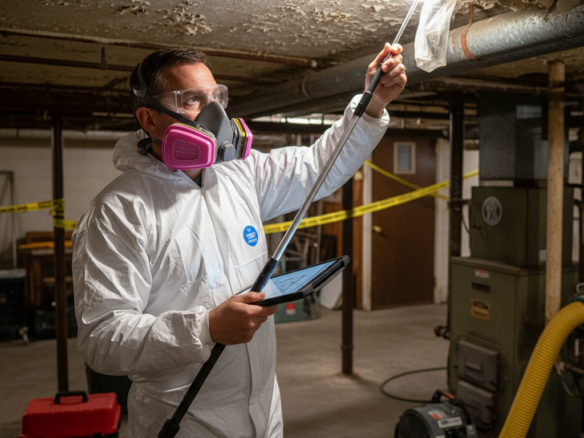
- Organize regular checks: Frequent walkthroughs help spot potential problems before they worsen.
- Coordinate repairs: From leaky faucets to major structural fixes, managers assign tasks to maintenance staff or external contractors.
- Ensure cleanliness and safety: Janitorial services, groundskeeping, and compliance with local building codes all fall under the manager’s purview (FMX, https://www.gofmx.com/property-maintenance/).
Financial operations
Handling finances can be a major responsibility:
- Budgeting and bookkeeping: A manager often maintains records of income (rent) and expenses (repairs, administrative costs).
- Setting rental rates: To stay competitive, managers research market trends. They balance profitability for the owner with fair pricing for tenants.
- Tracking property management fees: Management costs typically fall between 8% and 12% of the monthly rental income (Rocket Mortgage, https://www.rocketmortgage.com/learn/what-does-a-property-manager-do). You might also see extra charges for lease renewal or special projects.
Legal oversight
Finally, property managers keep you on the right side of local regulations:
- Draft or enforce lease agreements: These include details like security deposit amounts, maintenance responsibilities, and rent terms.
- Adhere to fair housing rules: Avoiding discrimination in tenant selection is crucial. Record-keeping is key to demonstrate compliance if disputes arise (Steadily, https://www.steadily.com/blog/property-management-laws-regulations-ohio).
- Stay updated on changes: Requirements can shift with new legislation, so managers often review the latest updates at least once a year (APM Help, https://www.apmhelp.com/blog/property-management-laws-regulations-ohio).
When you see a property manager juggling these duties smoothly, that is a positive sign. You can also feel more confident delegating work if you know they have a handle on these basics.
Foster strong tenant relationships
The connection between property managers, tenants, and landlords goes beyond collecting rent. Strong communication and respectful interactions can significantly boost retention, minimize conflicts, and keep the property profitable. According to a property management survey, positive tenant relations can lead to fewer late payments and lower turnover (Bluebonnet Property Management, https://www.bluebonnetpm.com/handling-tenant-complaints-tips-from-a-property-manager).
Promote open lines of communication
Good managers ensure tenants can easily reach them, whether to log a maintenance request or clarify an upcoming rental policy change. Some helpful strategies include:
- Multiple communication channels: Offering email, phone, and online portals ensures that tenants can select what works best (Bluebonnet Property Management, https://www.bluebonnetpm.com/handling-tenant-complaints-tips-from-a-property-manager).
- Quick response times: Prompt replies to questions or complaints signal respect and professionalism, strengthening trust.
- Regular updates: Whether about building improvements or scheduled inspections, a simple email or notice can prevent misunderstandings.
Resolve disputes with empathy
Tenant issues often involve real-life stressors, from leaks to noise complaints. Managers can defuse tense situations by:
- Listening actively: You want a manager who genuinely hears both sides, asks questions, and clarifies the root problem.
- Collaborating on solutions: Suggest ways to patch a leaky pipe within 24 hours, or talk about a quick fix for a noisy neighbor. Sometimes, a small compromise can avert bigger complications.
When you have a manager who handles tenant conflicts head-on, your investment or living situation becomes more stable. Good relationships are a major indicator of whether a property manager truly fulfills their responsibilities.
Handle legal compliance
Each state has its own landlord-tenant regulations. Understanding and following them is a key function of property management. For instance, Ohio landlords must keep properties habitable, respect tenant privacy, and return security deposits promptly (Steadily, https://www.steadily.com/blog/property-management-laws-regulations-ohio). Failing to meet these requirements can result in fines or lawsuits.
Know the legal highlights
Here are some examples of why legal compliance is essential:
- Security deposits: If an Ohio landlord collects more than one month’s rent, they must pay 5% annual interest on the excess (APM Help, https://www.apmhelp.com/blog/property-management-laws-regulations-ohio). A thorough property manager understands these details so you avoid nasty surprises.
- Eviction rules: Managers must follow specific procedures, like delivering a 3-Day Notice to Comply or Vacate. Skipping steps can invalidate the eviction and lead to costly legal battles (Steadily, https://www.steadily.com/blog/property-management-laws-regulations-ohio).
- Fair housing compliance: Anti-discrimination policies are strict nationwide. Proper documentation and consistent tenant screening keep you on the right side of the law.
Keep documentation organized
Documents required by Ohio law include signed leases, rent payment records, inspection reports, maintenance logs, and all notices sent to tenants (APM Help, https://www.apmhelp.com/blog/property-management-laws-regulations-ohio). A capable manager uses digital or paper filing systems to stay organized. As a landlord, you can confirm that these records exist. As a tenant, you can ask for receipts, written notes, or updates.
By ensuring your property management practice aligns with local laws, you stay safe from legal complications and encourage trust among tenants.
Coordinate property maintenance
One of the most visible and critical tasks of any property manager is maintaining the building’s condition. Not only does this protect your investment as an owner, but it also ensures that renters stay safe and happy. Research shows that frequent upkeep can prevent more costly emergency repairs, reduce turnover, and maintain property value (Coastapp, https://coastapp.com/blog/property-maintenance/).
Tackle preventive tasks
Rather than waiting for issues to snowball, smart property managers schedule preventive assignments:
- Regular inspections: Checking HVAC units, plumbing, or roofing for early signs of trouble.
- Seasonal maintenance: This can include cleaning gutters in fall, ensuring furnaces are service-ready in winter, or sealing driveways to guard against cracking.
- Landscaping: Beautiful, well-kept grounds can boost curb appeal, especially in residential properties with shared outdoor spaces.
Addressing small problems early, like a flickering light or a slow drain, can prevent tenant complaints and bigger repair costs down the road. An attentive manager prioritizes scheduled walkthroughs to catch these minor issues before they escalate.
Organize repairs and renovations
Sometimes, you cannot avoid bigger projects. Renovations, capital improvements, or emergency fixes call for tight coordination between contractors, technicians, and building staff (FMX, https://www.gofmx.com/property-maintenance/). A property manager might:
- Compare bids and negotiate prices (this saves you money).
- Schedule work to disrupt tenants as little as possible.
- Oversee projects to ensure quality standards are met.
Consistent property maintenance demonstrates that a manager is fulfilling their contract. It is also a reliable gauge of whether your renters will remain satisfied—or look for a new place when their lease ends.
Manage financial tasks
Your property’s finances can become complicated, especially if you have multiple units. Good news: You do not have to sort every income and expense yourself if you hire a competent manager. These professionals often handle budgeting, reconcile expenses, and manage property management fees so you know exactly how much goes where each month.
Collect rent and handle deposits
Rent collection can feel awkward if you are unsure how to enforce rules. A great manager streamlines this with:
- An online payment system or app: This reduces late payments, thanks to the convenience of digital reminders.
- Clear late fee policies: Both landlord and tenant know what happens if payments slip. Consistency helps avoid claims of favoritism or discrimination.
- Security deposit rules: In states like Ohio, if you exceed one month’s rent, you owe interest on the extra amount (APM Help, https://www.apmhelp.com/blog/property-management-laws-regulations-ohio). A manager keeps track of these requirements to keep you compliant.
Draft budgets and track expenses
You might wonder how many dollars go to maintenance, marketing, or landscaping. Skilled managers typically provide income and expense reports at set intervals—monthly or quarterly. Showcasing each category’s cost can help you:
- Spot overspending: If maintenance bills increase sharply over a few months, investigate why. Possibly your HVAC systems are overdue for an upgrade.
- Identify cost savings: Sometimes you can combine different services, like groundskeeping and cleaning, under one contractor for a discount.
- Make informed decisions: Should you upgrade units for higher rent? Do you need to renegotiate vendor contracts? Good analytics guide these choices.
Oversee property management fees
Paying a professional to manage your property is a solid long-term investment, but you want clarity on fees. Property managers commonly charge:
- Management fees: A percentage (often 8-12%) of monthly rent (Rocket Mortgage, https://www.rocketmortgage.com/learn/what-does-a-property-manager-do).
- Leasing fees: A one-time amount to advertise, screen, and sign new tenants.
- Renewals: Some managers charge a fee if an existing tenant chooses to stay under a new lease.
- Maintenance surcharges: If you have in-depth projects or frequent requests, you could see an extra line item.
Compare these costs among options. You might also research the best property management companies in your area or check out typical rates on sites like apartment property management companies. This lets you see how competitive your chosen manager is and ensures you pay fair market rates for the services provided.
Find a great property manager
You now know what a property manager should do. But how do you find the right fit for your rental property? Whether you are a landlord looking for long-term support or a tenant hoping for better day-to-day management, these steps can help you connect with a reliable professional.
Do your homework
Start collecting references. Ask local landlords or browse reputable online reviews. Checking credentials is crucial:
- Licensing: Some states (like Ohio) require property managers or firms to hold specific real estate licenses (APM Help, https://www.apmhelp.com/blog/property-management-laws-regulations-ohio).
- Certifications and affiliations: Membership in professional groups, such as the National Association of Residential Property Managers (NARPM), often signals an understanding of industry ethics.
- Online presence: Scour websites or social media for transparency in pricing and consistency in how they present their services.
Interview potential managers
A personal conversation reveals a lot about a prospective manager’s personality and style. You can ask questions like:
- How do you handle after-hours emergencies?
- What is your procedure for rent collection and late payments?
- How many properties do you oversee right now?
- Do you have references from current clients?
Encourage them to walk you through real scenarios. For example, if a tenant stops paying rent, what is the timeline to begin eviction procedures? If they answer confidently and cohesively, you are likely in good hands.
Set clear expectations
Defining responsibilities and priorities at the start sets the tone:
- Clarify the schedule for routine tasks, like monthly reporting or walk-through inspections.
- Make sure the handling of tenant complaints is spelled out. Effective complaint management can protect your property’s reputation (Bluebonnet Property Management, https://www.bluebonnetpm.com/handling-tenant-complaints-tips-from-a-property-manager).
- Review the property management agreement thoroughly. Include fees, termination clauses, and communication protocols.
A strong manager will welcome these conversations. Likewise, a manager who seems vague or avoids specifics might not be the best choice.
Spot common red flags
Unfortunately, not every property manager lives up to their promises. If you are suspecting trouble, here are signs that it is time to intervene or even look for another partner:
- Frequent tenant complaints: If tenants repeatedly complain about slow responses or unresolved issues, your manager is not meeting basic responsibilities.
- Inadequate record-keeping: Missing receipts, messy financial reports, or lost lease documents can lead to confusion and legal problems, especially if you are audited.
- Unexplained charges: Unexpected expenses that lack proper documentation or justification should raise a red flag. A solid manager always outlines costs clearly.
- Licensing lapses: If your manager is uncertain about local laws or fair housing regulations, you risk potential lawsuits or penalties.
- Excessive turnover: If many tenants quickly move out, that could indicate poor communication, subpar upkeep, or other service-quality issues.
If these situations arise, speak up. Ask for clarity on what steps the manager plans to take. If you see no improvement, you may decide to switch. Some property owners compare new options by searching for a property manager near me with better reviews or contacting the best property management companies recommended by local real estate communities.
Recap and next step
Your property manager can be an absolute game-changer. By ensuring they fulfill key responsibilities—tenant relations, property maintenance, legal compliance, and robust financial management—you will secure smoother tenancies and a healthier bottom line. Whether you currently have a manager or are exploring your options, it pays to understand what sets a capable pro apart.
- Look for proven experience in the key tasks.
- Confirm they communicate promptly and document everything.
- Validate they charge fair property management fees and show you exactly how your money is spent.
- Verify they stay on top of legal obligations, such as local landlord-tenant rules.
Your next step is simply to evaluate your situation: Do you trust your manager’s handling of day-to-day tasks? If yes, great, you can keep nurturing that partnership. If not, now you know how to spot shortcomings and find a better alternative. You have the information you need to take action and ensure a better rental experience for everyone. Good luck making that next move.