Portland, Oregon, often dubbed the Rose City, has long attracted newcomers for its blend of urban living, quirky culture, and access to the outdoors. From the foodie haven of Division Street to the quiet green neighborhoods of East Portland, the city has a lifestyle to match almost any renter’s priorities. But recently, affordability is at the heart of every housing conversation. Renters are asking: How much is rent in Portland Oregon this year? Which neighborhoods are worth the premium? And is rent in Portland going up or down?
The good news? Portland’s rental market has stabilized after several years of pandemic-driven fluctuations. The average monthly rent for apartments in the city sits around $1,700 (RentCafe), while Zillow places the citywide average across all property types at $1,795. Compared to Seattle, where averages soar above $2,300, Portland remains relatively affordable. Compared to nearby Vancouver, WA, however, Portland rents are slightly higher.
This guide dives deep into Portland’s rental landscape from average prices by apartment type and neighborhood to market trends, affordability, and the best places to live depending on your lifestyle and budget.
Average Rent in Portland Oregon (2025)
1. Citywide Averages
- All property types: $1,795 (Zillow, Sept 2025)
- Apartments (multifamily units): $1,748 (RentCafe, Aug 2025)
- Median rent (Apartment List, Summer 2025): $1,552
Translation: If you’re apartment hunting in Portland, expect to budget $1,700–$1,800 per month for a typical rental, with variation depending on unit size and neighborhood.
2. Rent by Unit Size
| Unit Type | Average Rent (2025) | Data Sources |
|---|---|---|
| Studio | $1,252 – $1,341 | Apartments.com, Rentometer |
| 1-Bedroom | $1,410 – $1,643 | ApartmentList, Rentometer |
| 2-Bedroom | $1,672 – $2,194 | ApartmentList, Rentometer |
| 3-Bedroom | $2,147 – $2,308 | Apartments.com, RentCafe |
| Single-Family Homes (3BR) | ~$2,804 | Rentometer (Q1 2025) |
Studios remain the entry point for budget-conscious renters, but they’re still above $1,200 — higher than many U.S. metros. One-bedroom units sit around the $1,500–$1,600 mark, while two-bedrooms average around $1,800–$2,200, depending on neighborhood. Families seeking three-bedroom apartments or houses should prepare for $2,100–$2,800+ per month.
3. Rent by Neighborhood
One of Portland’s defining features is its diverse patchwork of neighborhoods. Each has a unique vibe — and a distinct price tag.
| Neighborhood | Avg Rent (2025) | Lifestyle Snapshot |
|---|---|---|
| Pearl District | ~$2,150 | Upscale, walkable, luxury high-rises, nightlife |
| Madison South | ~$2,145 | Quiet residential, family homes |
| Mount Scott North | ~$2,101 | Family-friendly, suburban feel |
| Hayden Island | ~$2,072 | Waterfront views, limited housing stock |
| South Waterfront | ~$2,065 | Sleek, modern apartments, riverfront living |
| Nob Hill / NW District | ~$1,986 | Historic, boutique shopping, restaurants |
| Downtown Portland | ~$1,960 | Central, close to PSU & businesses |
| Boise | ~$1,846 | Trendy, artsy, Mississippi Ave corridor |
| Buckman | ~$1,779 | Vibrant eastside neighborhood |
| Kerns | ~$1,732 | Balanced mix of affordability & central location |
| Hosford-Abernethy | ~$1,699 | Urban-residential hybrid |
| Lents | ~$1,431 | Affordable, diverse, outer SE Portland |
| Portland Heights | ~$1,233 | One of the cheapest options, small stock |
👉 High-end neighborhoods like Pearl District and South Waterfront top $2,000 monthly. Affordable options exist further east or in Lents/Portland Heights, where rents can be $1,100–$1,400.
Best Neighborhoods to Rent in Portland Oregon
One of Portland’s greatest strengths is the diversity of its neighborhoods. Each quadrant of the city has its own personality, from the sleek glass towers of the Pearl District to the small-town charm of St. Johns. Choosing where to rent isn’t just about budget; it’s about matching your lifestyle, commute needs, and community preferences.
🌆 For Young Professionals
If you’re a young professional, you’re likely looking for a mix of convenience, amenities, and social life. Portland offers several neighborhoods that cater to this stage of life.
- Pearl District – Known for its luxury lofts and modern high-rises, the Pearl offers an urban lifestyle with walkable access to breweries, boutique gyms, and high-end dining. Living here means you can walk to happy hour or art galleries after work. Rents are among the city’s highest, but so is the convenience.
- Downtown – Located at the heart of the city, Downtown is perfect if you want to live close to Portland State University, major employers, and cultural venues like the Keller Auditorium. Apartments range from historic buildings with character to sleek high-rises. Walkability and public transit are top-notch, making it great for car-free living.
- Boise / Alberta Arts District – For those who prefer a more creative, eclectic environment, the Alberta Arts and Boise neighborhoods offer vibrant street art, local breweries, and Portland’s famous Mississippi Avenue. This is where you’ll find a younger, arts-driven crowd.
👨👩👧 For Families
Families renting in Portland often look for quieter streets, access to good schools, and a strong sense of community. Portland’s eastside is full of residential enclaves that meet these needs.
- Sellwood-Moreland – This is a neighborhood with a true community feel. Known for Sellwood Park and Oaks Amusement Park, it offers family-friendly activities, highly rated schools, and tree-lined streets. Homes tend to be larger, and while single-family rentals are in high demand, apartments and duplexes can also be found.
- Mount Scott / Foster-Powell Area – Spacious rental homes, plenty of parks, and an active neighborhood association make this a good choice for families. You’ll get more square footage for your rent compared to central neighborhoods.
- Laurelhurst – With historic craftsman homes, a massive park, and proximity to good schools, Laurelhurst is one of Portland’s most desirable family-friendly neighborhoods. Rentals are pricier, but the quality of life is excellent.
🎓 For Students
Students make up a significant share of Portland’s renters, thanks to several universities located in or near the city.
- Downtown (near PSU) – Portland State University dominates Downtown’s southern end, making this area a hotspot for student renters. Studio and one-bedroom apartments are plentiful, and public transit provides easy access to the rest of the city.
- Eastmoreland (near Reed College) – This quiet neighborhood offers large, historic homes, leafy streets, and proximity to Reed College. Students often share single-family rentals here.
- University Park (near University of Portland) – Located in North Portland, University Park blends affordability with a strong student presence. Rentals here range from shared houses to mid-sized apartment buildings.
💸 For Budget Renters
Not everyone is seeking luxury lofts or historic craftsman homes — and Portland still has neighborhoods that are accessible to budget-conscious renters.
- Lents – One of Portland’s most affordable areas, Lents has a growing reputation as a diverse and welcoming neighborhood. With ongoing redevelopment and access to green spaces like Lents Park, it’s a solid choice for renters priced out of central Portland.
- St. Johns – Situated in North Portland, St. Johns feels like a small town within the city. Rents are relatively affordable, and you’ll find a tight-knit community, independent shops, and access to the iconic St. Johns Bridge.
- Portland Heights – While not the largest rental market, this hillside neighborhood has pockets of affordable rentals, making it worth exploring if you’re searching outside of the usual eastside grid.

Cost of Living & Affordability
Rent is only part of the cost of living equation in Portland. For renters, it’s important to understand how housing expenses fit alongside other everyday costs such as utilities, groceries, and transportation.
Housing and Income Balance
Housing typically takes the largest bite out of a renter’s budget. In Portland, average rents consume about a quarter to a third of a median household income, depending on unit size and neighborhood. This makes Portland less expensive than coastal cities like Seattle or San Francisco, but slightly above the national average.
Utility Costs
Utilities are often not included in rent. On average:
- Electricity & gas: ~$150 per month for a typical apartment.
- Internet: ~$60–$80 per month.
- Water/sewer/garbage: Often billed by landlords, ~$50–$100 per month.
Transportation Costs
One of Portland’s strengths is its transportation system. If you live in central or eastside neighborhoods, it’s possible to rely primarily on public transit or biking.
- Public Transit (TriMet): A monthly pass costs about $100.
- Parking: In dense neighborhoods, expect to pay extra for on-site or garage parking.
- Car-free living: Renters who avoid owning a car can save thousands annually.
Comparing Portland to Other Cities
- Seattle: Rents are significantly higher, pushing many renters south to Portland.
- Vancouver, WA: Rents are slightly cheaper, but commuting across the Columbia River comes with bridge traffic and potential tax implications.
- National average: Portland sits just above it, reflecting its popularity and limited housing supply.
Renting Tips for Portland
Navigating Portland’s rental market takes more than just browsing listings. From timing your search to understanding local laws, these tips can help renters make smarter decisions.
Timing Your Search
- Winter months: Fewer options, but landlords may be more negotiable on rent or move-in specials.
- Summer months: The market is busiest, with the widest selection — but also the highest competition.
Understanding Oregon Tenant Rights
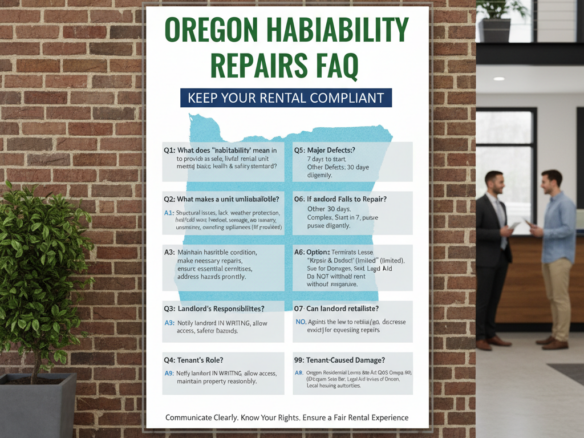
Oregon has some of the strongest tenant protections in the country.
- No-cause evictions: Significantly restricted under state law.
- Rent increase caps: Annual rent increases are capped at a state-determined percentage (tied to inflation).
- Notice requirements: Landlords must give advance notice for rent increases or terminations.
Renters should review resources like the Oregon Law Center to understand their rights fully.
Avoiding Scams
Rental scams remain an issue, especially on platforms like Craigslist. Always:
- Tour the unit (in-person or virtually) before paying.
- Confirm ownership using Multnomah County property records.
- Be wary of below-market deals requiring cash upfront.
Pets and Rentals
Portland is a pet-friendly city, but landlords often charge extra.
- Deposits: $200–$400 per pet.
- Monthly pet rent: $25–$50.
- Breed restrictions: Common in larger apartment complexes.
Parking and Commutes
If you’re considering a neighborhood outside the central core, weigh the cost and convenience of commuting. Some neighborhoods with lower rents may come with higher transportation expenses.
Resources for Renters
Finding the right rental in Portland is easier with trusted tools and organizations:
Apartment Search Platforms
Local Expertise & Property Management
- Portland Rental Property Manager – Local experts helping renters and property owners navigate Portland’s housing market.
Government & Legal Resources
Rental Assistance Programs
- Multnomah County – Local rent relief and eviction prevention.
- Oregon Housing and Community Services (OHCS) – Statewide assistance programs.
FAQs About Renting in Portland
What is the average rent in Portland?
On average, renters can expect to pay somewhere in the mid-$1,700s per month. Studios and one-bedrooms are often more affordable, while family-sized rentals or luxury units can exceed $2,000–$2,800.
Which neighborhoods are the most expensive to rent in?
The Pearl District, South Waterfront, and Nob Hill consistently rank at the top. These neighborhoods feature luxury apartments, high-rise living, and some of Portland’s best shopping and dining — all of which push rents higher.
What are the cheapest neighborhoods to rent in Portland?
Areas like Lents, St. Johns, and certain outer East Portland neighborhoods typically offer more affordable rents. These neighborhoods trade some central convenience for larger homes, green spaces, and stronger community feel at a lower price point.
Are pets allowed in most Portland rentals?
Yes — Portland is a pet-friendly city. However, many landlords require pet deposits and additional monthly pet rent. Some complexes enforce breed restrictions, so renters with dogs should confirm policies before signing a lease.
How competitive is the rental market?
The market is steady and moderately competitive. Vacancy rates usually sit between 4–5%, meaning rentals in desirable neighborhoods can move quickly, but renters still have options. Being prepared with application documents, references, and proof of income will give you an edge.
Is Portland more affordable than Seattle or San Francisco?
Absolutely. Portland’s average rent is hundreds of dollars less than Seattle’s and significantly lower than San Francisco’s. However, Portland is slightly more expensive than the national average and nearby Vancouver, WA.
What should I know about tenant rights in Portland?
Oregon has strong renter protections. Landlords face restrictions on rent increases, must provide proper notice before changes, and cannot issue no-cause evictions in most cases. Renters are encouraged to familiarize themselves with state laws to understand their rights fully.
Conclusion
Portland’s rental market continues to offer a mix of opportunities, from luxury apartments in vibrant central districts to affordable homes in family-friendly and emerging neighborhoods. While rents are slightly higher than the national average, the city remains more budget-friendly than other West Coast hubs.
The key for renters is not only to understand pricing but also to identify neighborhoods that align with their lifestyle whether that means walkability, access to nature, nightlife, or family-focused amenities. With a clear understanding of the rental landscape, renters can make informed choices that balance affordability with quality of life.
Ready to Find Your Next Portland Rental?
Whether you’re a renter searching for the right neighborhood or a property owner looking for professional management, local expertise makes all the difference.
👉 Contact Portland Rental Property Manager today to get personalized guidance, support, and insights tailored to your rental journey.