As a landlord or property manager in Oregon, you know that keeping your rental property safe and livable is a top priority. But with the updated regulations for 2026, you might be wondering how to stay on top of requirements for heat, water, mold, pests, and tenant access. This guide will walk you through pest management rental oregon 2026 standards, along with all the related upkeep, so you can maintain a habitable home and avoid tenant disputes.
Understand 2026 rental standards
Oregon has long placed an emphasis on ensuring that rental units meet basic habitability requirements. While most current rules already cover utilities and pest control, new updates clarify your responsibilities around repairs. In 2026, you can expect tighter guidelines on proper heating, reliable water systems, mold prevention, and pest management.
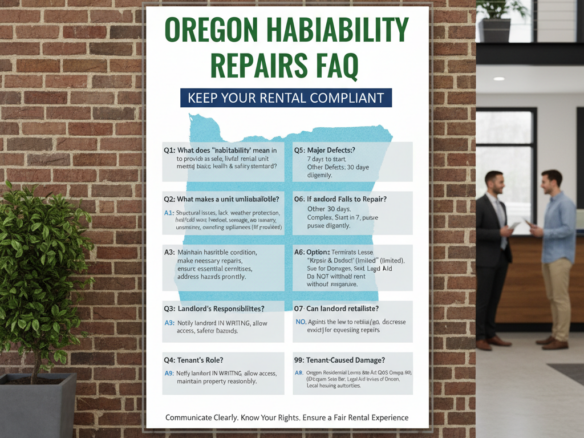
Below is a simplified overview of Oregon’s key habitability requirements:
| Requirement | Standard in 2026 | Potential Consequence |
|---|---|---|
| Adequate heat | Must maintain rooms at a comfortable temperature | Tenant-provided notice and possible penalties |
| Functional water supply | Must have hot and cold running water, free of backflow | Tenant right to seek professional repairs if ignored |
| Mold prevention | Must address leaks, moisture buildup, and visible mold | Inspection violations and possible legal disputes |
| Pest control | Must manage insects, rodents, or other infestations | Tenant reports to local authorities or courts |
| Safe access | Must ensure unobstructed entries and exits | Liability issues and fines if safety is compromised |
Meeting these benchmarks might feel like a tall order at first. However, if you break them down into smaller tasks, you will find that the repairs and upkeep merge naturally with your regular property maintenance.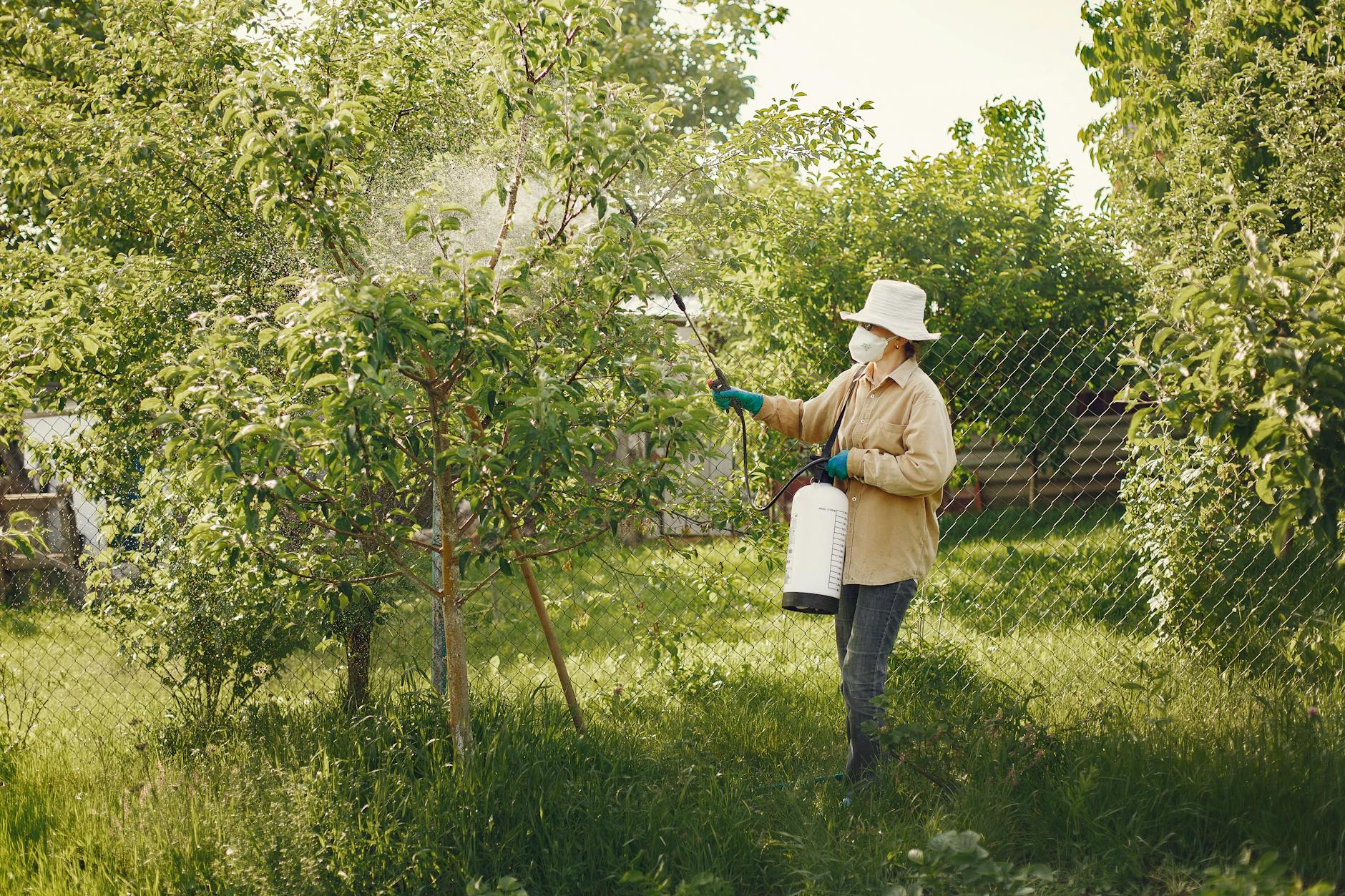
Focus on heat obligations
Oregon’s rental laws require you to provide reliable heating equipment. This does not mean you have to run a state-of-the-art heating system in every corner, but you must ensure that the system functions efficiently at all times.
Most tenants expect to walk into their living space and be greeted by a comfortably warm environment, especially during cold and rainy seasons. To achieve this:
- Schedule regular HVAC inspections so that any malfunction is caught early.
- Encourage tenants to report heating issues right away.
- Keep your equipment free of obstructions, such as furniture or boxes blocking vents.
Proactive heating maintenance can save you from sudden breakdowns and expensive emergency calls. It also builds trust with your renters, who will appreciate living in a property that values their comfort.
Address water supply
Besides properly functioning heat, continuous and safe water supply is another pillar of property maintenance. Oregon law mandates that you provide both hot and cold running water in every rental unit. If your property relies on older plumbing systems, you may need to upgrade your pipes to meet modern codes for backflow prevention.
Consider the following steps to keep your water system robust:
- Inspect pipes every few months to catch leaks or corrosion early.
- Keep water heaters tuned up by regularly draining them to flush out sediment.
- Ensure that faucets and fixtures have screens or aerators to maintain good water pressure.
If your tenants call with a water-related concern, address it as soon as possible. Water damage can quickly escalate and lead to moisture issues, including mold – one of the most common tenant complaints.
Control mold and moisture
Mold prevention often goes hand in hand with managing water leaks and humidity. The last thing you want is a complaint (or worse, a call from a housing inspector) about a mold outbreak in your rental. Fortunately, controlling moisture is largely about vigilance.
Regularly checking for cracks in your foundation, sealing windows and doors properly, and repairing leaks are essential steps. You can also encourage tenants to ventilate rooms by opening windows during showers or by using bathroom fans. When small mold patches do appear, it is wise to clean them immediately with a mild disinfectant and then address the source of moisture to prevent recurrence.
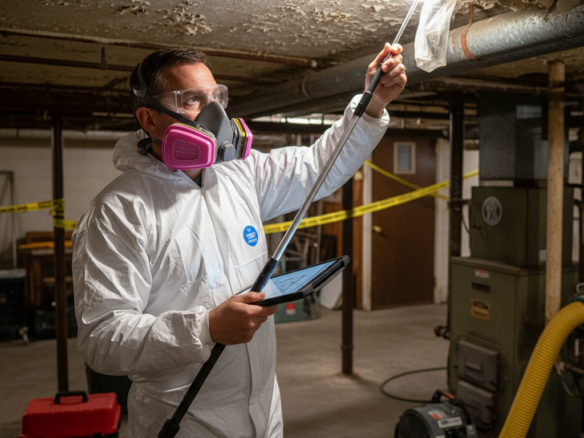
If you find extensive mold in your property, consult a professional. Mold can pose significant health risks, especially for those with allergies or respiratory conditions. Handling it properly protects both you and your tenants.
Implement pest management
Keeping pests at bay is essential for a habitable rental. Cockroaches, rodents, bedbugs, or ants can quickly become an infestation if not managed early. Oregon law stipulates that you must ensure rental units are free of these unwanted guests.
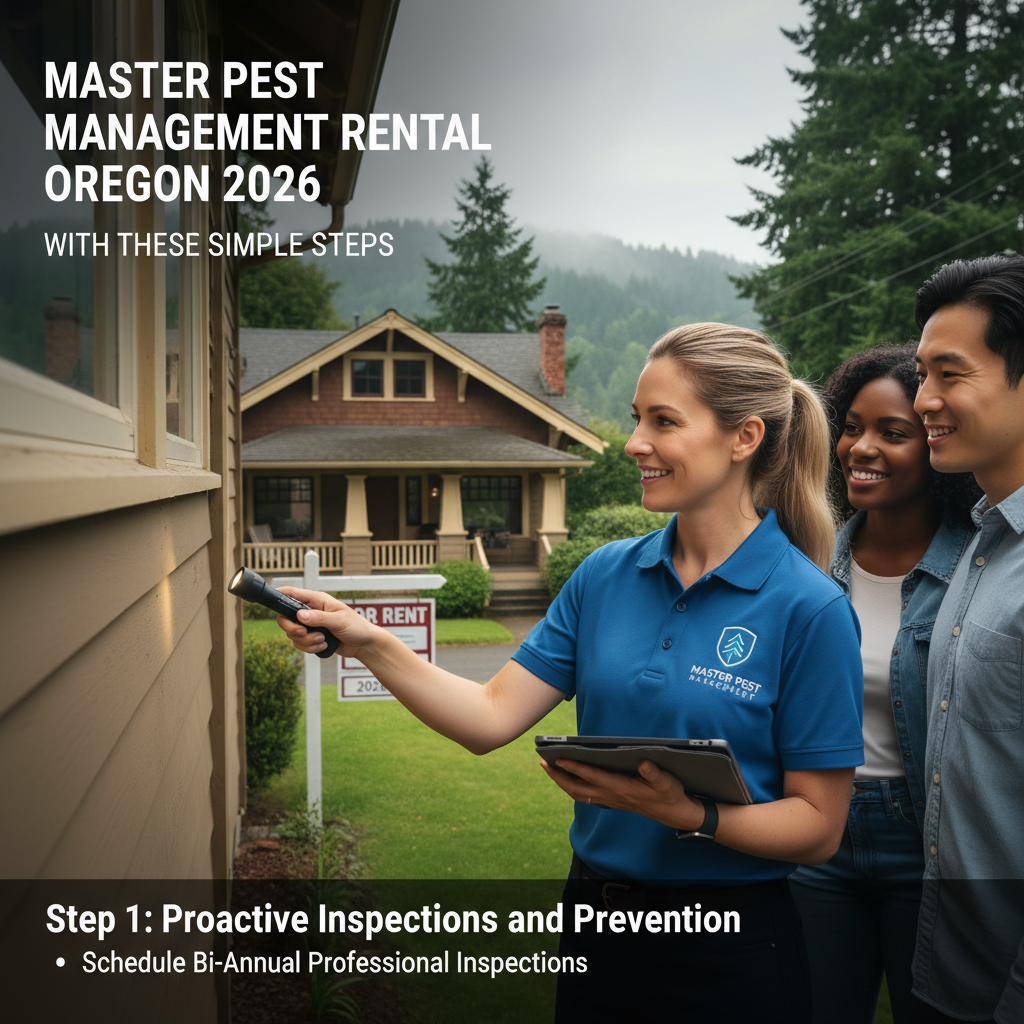
Start with inspection and prevention. Inspect for cracks in walls or gaps in windows where pests enter. Proper sealing is an affordable step that often eliminates one of the biggest causes of infestations. If you do discover pests, do not wait. Promptly contact a licensed exterminator or deploy proven control methods yourself, as your management responsibilities extend to these creatures too.
Professional pest control services can be a smart investment if you notice recurring infestations. Common pests like mice and cockroaches breed incredibly fast, so a wait-and-see approach may worsen the situation. Remember, any cost-cutting measure that ignores infestation risks could lead to more expensive treatments down the road, along with potential legal disputes if a tenant believes you neglected the problem.
Provide safe access
A habitable rental is not only about internal comforts but also about ensuring each tenant can enter and exit safely. Keep stairways, walkways, and common areas free from clutter to reduce tripping hazards. Outdoors, good lighting is crucial, especially near entry doors, hallways, and parking areas. Adequate outdoor lighting helps reduce the likelihood of accidents and can deter opportunistic theft.
If your property has shared spaces like laundry rooms or storage units, check those areas regularly. Broken windows and warped doors may compromise safety and attract pests or unwanted guests. Any locks that are loose or not functioning properly need immediate repair. Tenants must always feel secure in their living environment.
Repair obligations and timelines
With so many regulations to follow, it helps to establish a clear system for repairs. The moment a tenant reports a concern regarding heat, water, mold, or pests, document the issue thoroughly. Next, prioritize repairs based on the level of urgency. For example, a no-heat situation during winter should be addressed within hours, whereas a slowly dripping faucet might have a slightly longer timeline, as long as it does not risk major water damage.
Some Oregon cities have their own timelines and standards, so staying informed of local rules is also a good idea. If there is confusion over who should handle specific repairs, refer back to your lease agreement, which typically outlines maintenance duties for both you and the tenant. However, in most cases, you bear the primary responsibility to keep the property habitable.
Keep thorough documentation
Keeping detailed records is a lifeline if disputes ever arise. Consider storing every inspection, repair invoice, or communication with tenants in a dedicated file or online folder. You never know when an old note or receipt could resolve a misunderstanding about a pest management treatment or mold removal.
Aside from protecting you from potential legal hassles, good documentation helps you plan for future property improvements. If you find yourself scheduling repeated fixes for the same boiler or pest problem, it may be time to renovate or invest in a better long-term solution.
Every time you hire a service professional to handle major or recurring repairs, ask them to provide an itemized invoice. This invoice confirms that the work was completed and specifies exactly what was repaired or replaced. Tenants appreciate seeing how seriously you take each concern, and your well-organized records further demonstrate your compliance with 2026 standards.
Staying current with the pest management rental oregon 2026 guidelines and other requirements does not have to be overwhelming. A consistent approach can protect your property’s value, strengthen the trust you have with your tenants, and keep you one step ahead of potential disputes. By focusing on crucial elements like heat, water supply, mold control, and safe access points, you can deliver a rental experience that meets — and exceeds — Oregon’s updated standards. With regular inspections, timely repairs, and strong communication, your rental property will remain a welcoming home for years to come.