Know Oregon’s basics
If you’re researching an Oregon habitability repairs FAQ, you’re likely aware that the state requires landlords to maintain safe, functional living conditions for tenants. The essential elements include providing adequate heat, ensuring reliable access to water, addressing mold growth, controlling pests, and securing safe entryways. By following these rules, you protect both your property and the well-being of those who call it home.
In 2026, Oregon’s standards remain strict about timely repairs. Any delay or negligence can lead to fines, legal action, or even forced relocation of tenants. Staying ahead of these regulations helps you avoid disputes and build a positive reputation as a responsible property owner.
Ensure proper heat
A functioning heating system isn’t just a comfort requirement, it’s mandated by Oregon law. You need to ensure your rental provides enough heat to keep interior rooms at a livable temperature. Whether you have a furnace, wall heaters, or other heating sources, the key is regular servicing.
Keeping the system tuned up often helps you catch minor issues before they become emergencies. If a tenant reports a broken heater in winter, prompt attention is vital. Not only do you risk fines when you delay repairs, you also compromise the safety of your tenants. If the situation is severe and you can’t address it quickly, consider offering temporary alternatives like space heaters until the main system is up and running.
Maintain safe water
Your rental must deliver a dependable supply of hot and cold water for everyday needs. Burst pipes, leaks, or water heater malfunctions can quickly raise health and safety concerns. If a tenant reports no hot water, prioritize repairs to minimize discomfort and keep your property aligned with Oregon habitability requirements.
Regular plumbing inspections help you prevent costly headaches. Check faucets, sinks, tubs, and toilets for leaks at least once or twice a year. Promptly addressing minor drips can save on your water bill and prevent more extensive damage. Plus, you show tenants that you care about their living conditions, which often leads to longer tenancies and fewer complaints.
Fix mold issues
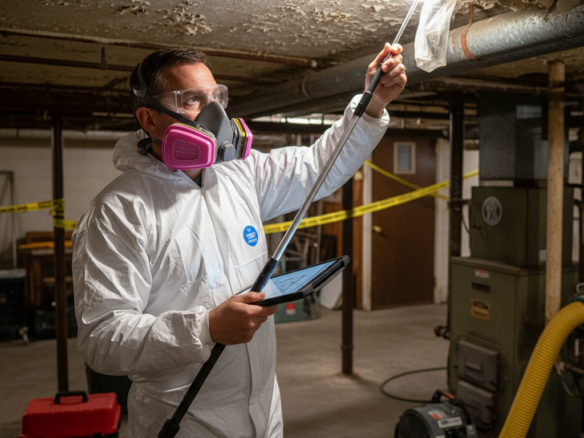
Mold can develop fast in damp areas, and Oregon’s rainy climate can exacerbate the problem. Not only does mold cause unpleasant odors, it can trigger health problems for your tenants. As a landlord, you’ll want to respond quickly to any mold complaint, whether it’s in a bathroom corner or behind a kitchen appliance.
The most effective first step is to address the source of moisture. Are there hidden leaks, condensation around windows, or poor ventilation in certain rooms? Once you identify the cause, you can tackle the mold by cleaning the affected surfaces with recommended products or by hiring a professional remediation service. It’s worth noting that repeated mold problems often point to a deeper structural or ventilation issue, which may require larger-scale improvements.
Control pest infestations
Rats, mice, roaches, and other unwanted critters can undermine habitability standards. Oregon law generally places the responsibility for pest control squarely on the landlord, unless your tenant’s actions caused the infestation. Even in those cases, it can be tricky to prove tenant fault, so you’ll still want to take swift action to prevent pests from spreading.
Regular pest inspections go a long way. If an exterminator finds problems early, the treatment is often less invasive and more cost-effective. Encouraging tenants to maintain cleanliness and report any signs of pests also helps you stay on top of potential outbreaks. By providing sealed trash bins, researching local extermination services, and following best practices for building maintenance, you’ll ensure your rental meets the legal requirements and keeps tenants happy.
Secure tenant access
A safe, accessible rental property means you must keep stairways, walkways, and entrance points in good condition. From sturdy handrails to reliable locks, every detail plays a part in preventing accidents and offering peace of mind. If your building has multiple floors, be sure to maintain functional elevators (if applicable) and illuminate communal areas properly.
Any broken locks or damaged doors need immediate attention, as delays can compromise security. Well-lit entrances, working intercom systems, and hazard-free pathways all demonstrate your commitment to tenant well-being. Plus, a property that feels safe and welcoming is more likely to attract reliable tenants eager to renew their leases.
Common questions and next steps
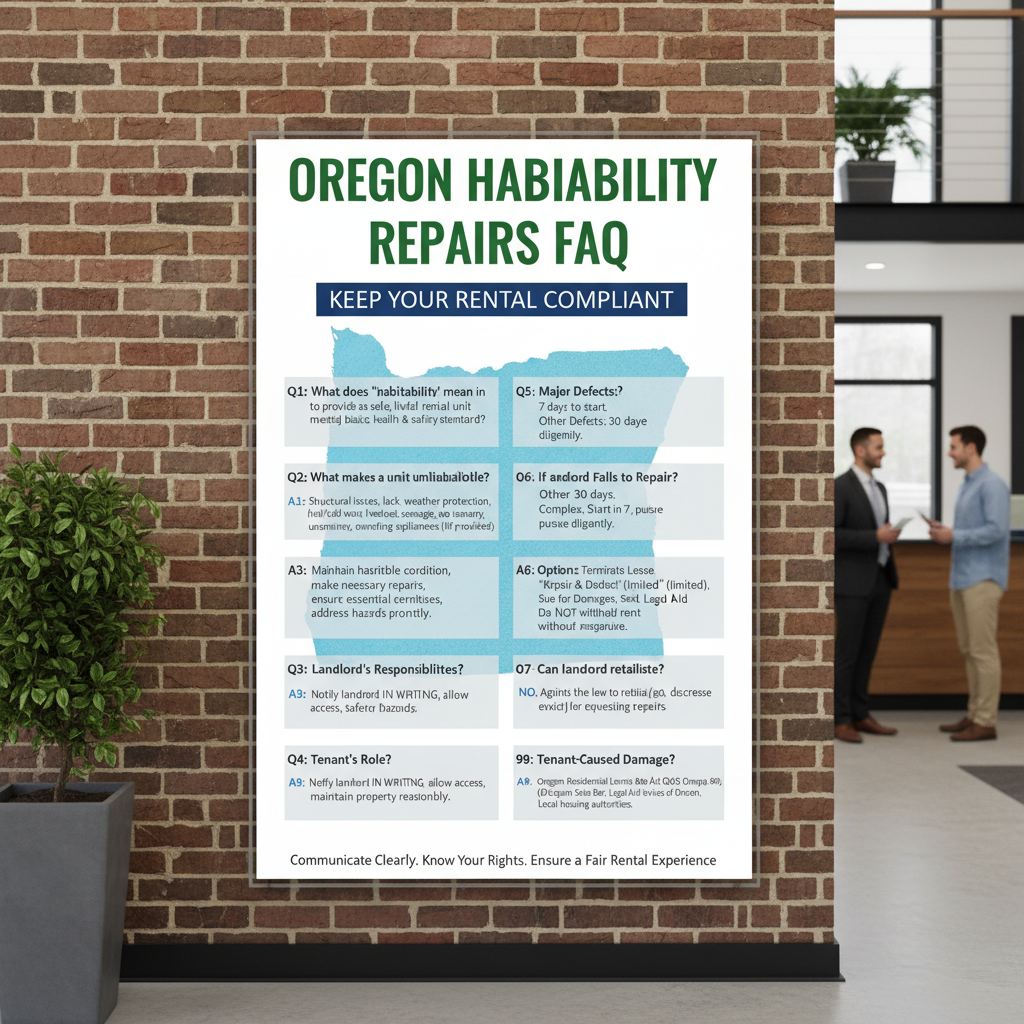
You might be wondering whether routine maintenance falls under the same rules as emergency repairs, or what specific repair deadlines apply. Here’s a quick reference to help clarify typical timelines and the potential consequences of putting off key fixes:
| Issue | Typical repair timeline | Impact if delayed |
|---|---|---|
| Heat malfunction | 24-72 hours | Noncompliance, potential fines |
| Water supply issue | Immediately or within 24 hrs | Health hazard, possible condemnation |
| Mold growth | Usually within 7 days | Health complaints, property damage |
| Pest infestation | Typically 7-14 days | Tenant disputes, potential local citations |
| Entry or lock failure | Immediately or within 24 hrs | Security risk, liability if injuries occur |
Bear in mind that local regulations may vary, and tenant-landlord agreements sometimes specify more precise deadlines. If you’re unsure, consider consulting a legal professional or local housing authority. This table should serve as a quick reminder that prompt action is both a legal requirement and a best practice to protect your investment.
Even if your tenants aren’t pressing for immediate fixes, it’s wise to stay proactive. Schedule regular inspections to spot damage before it escalates. Ask tenants if they’ve noticed any unusual leaks, smells, or pest droppings. Simple communication often prevents problems from spinning out of control.
Final thoughts
Oregon’s habitability standards prioritize tenant safety, comfort, and well-being. By keeping your rental in good condition, you keep your property value high and maintain a positive landlord-tenant relationship. Responding quickly to repair requests saves you financial trouble, meets legal requirements, and helps you avoid disputes that could result in costly legal battles.
Whenever you’re unsure about a repair timeline or regulation, contact a professional for guidance. Staying informed and taking a proactive stance will help you consistently meet—and exceed—Oregon’s requirements. Ultimately, a well-maintained rental reflects positively on you as a landlord or property manager, and it encourages tenants to treat your property with the same level of care.