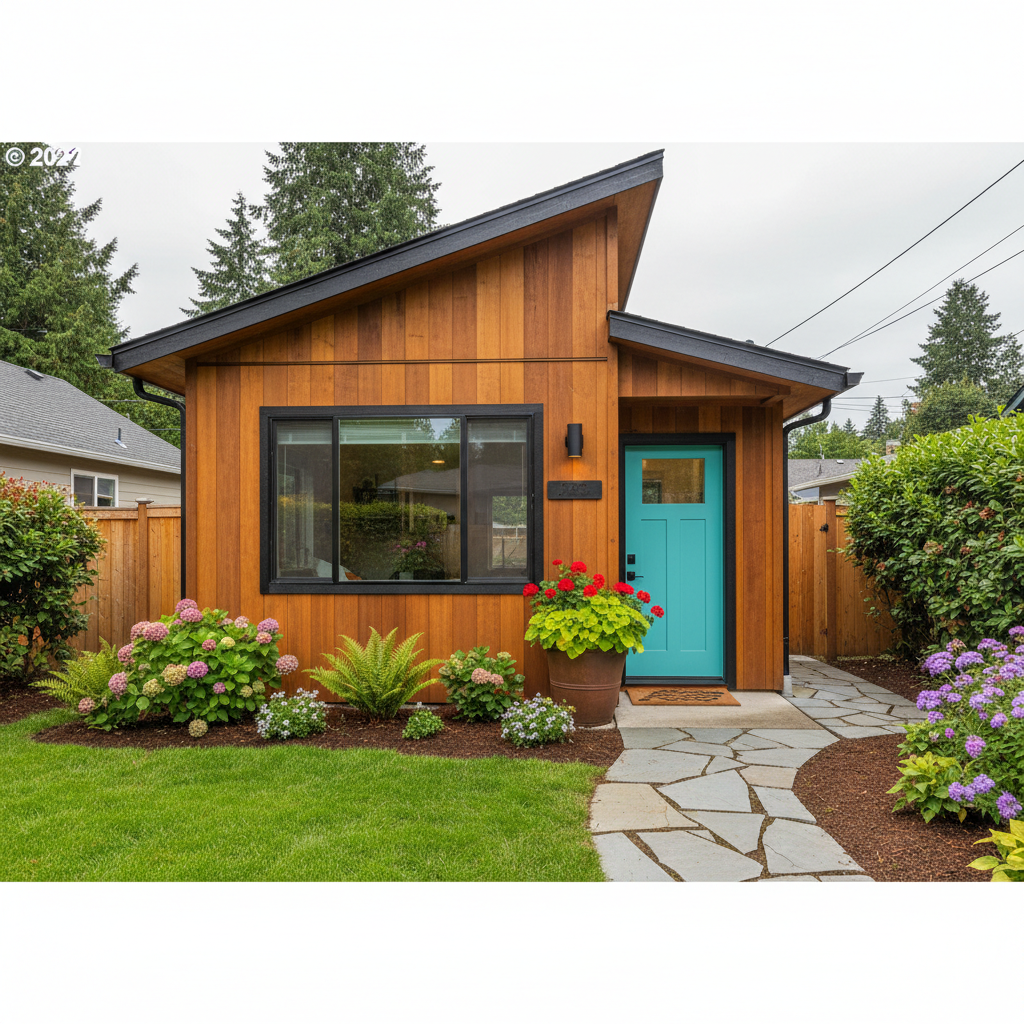
Conducting a showing in an occupied ADU can feel like a balancing act. You want potential renters to see the property at its best, but you also want to maintain a respectful relationship with your current tenant. By following these ADU rental showing guidelines Oregon provides, you can handle every step smoothly and confidently. Below, you will find practical tips, legal pointers, and easy-to-use scripts to help you navigate each showing without friction.
Understand the legal basics
Before scheduling any showings, it is important to familiarize yourself with Oregon’s requirements for entering a rental unit. While laws vary depending on changes and updates, Oregon typically expects landlords to provide at least 24 hours’ written notice for non-emergency entries. This notice must clearly state the purpose, such as a property showing. If you need to enter more frequently over a short period, discuss it with your tenant to find a mutually agreeable schedule.
Be aware that ADUs, even though smaller than traditional homes, must follow the same basic rules as standard rentals in Oregon. Reading the state’s landlord-tenant laws will help you avoid missteps and demonstrate your professionalism. If any legal questions arise, it is best to consult an attorney or a reliable local housing resource for clarity.
Respect your tenants’ privacy
Tenants remain entitled to privacy in the unit they are occupying, regardless of its size or location on your property. This goes beyond legal obligations. Think of their convenience, day-to-day schedules, and personal comfort. A tenant should not feel intruded upon or pushed aside just because you need to market your ADU.
Making small gestures can go a long way. An unclear or last-minute request for a showing can create friction, especially if the tenant has guests or important appointments. By working around your tenant’s schedule whenever possible, you help preserve a positive atmosphere that will benefit everyone involved.
Notify tenants promptly
Timely, clear notices help your tenant plan ahead, reducing stress and building trust. Whenever possible, communicate an exact date, time range, and purpose for the planned showing. Written notice via email or an online landlord-tenant portal ensures a searchable record if any disputes arise.
Try to avoid notice that only specifies vague times, like “some time next week.” Instead, set specific blocks like “Thursday between 2:00 and 3:00 PM.” If you need to show the property multiple times in one week, group these appointments together whenever possible to limit repeated disruptions. Tenants appreciate transparent communication, and this approach shows you value their time.
Communicate well and respectfully
Respectful communication is fundamental to a smooth showing experience. Approach it as a dialogue rather than an order. Maintain a polite, friendly tone and invite your tenant to share any concerns or schedule constraints. If a concern does come up, listen attentively and see if you can find a solution that satisfies both of you.
Offer to answer questions about the showing process, such as how many potential renters you plan to bring or how long each visit typically lasts. Being open and understanding can prevent small misunderstandings from growing into bigger conflicts. This also helps your tenant feel involved and considered, rather than overlooked.
Plan showings with tenant needs in mind
Careful scheduling is a practical way to keep the peace. Many Oregon landlords find that planning daytime or early evening tours is more convenient, since tenants are often less busy then. Avoid weekends or late evenings if your tenant specifically objects, and be upfront about your showing plan.
You might try different approaches when setting showing slots:
- Combine multiple prospective renters in a single block of time, so the tenant only has to tidy up once.
- Offer alternatives for weekend or weekday showings, then let the tenant pick whichever works best for them.
- Provide ample dates and times, in writing, to help the tenant coordinate.
- If you need to schedule additional showing days, let the tenant know well in advance to avoid surprises.
When a tenant feels that you have considered their schedule and needs, they are more likely to cooperate enthusiastically, making the process easier for everyone.
Offer helpful scripts for stress-free showings
Sometimes, finding the right words can make all the difference. Below are a few simple scripts you can adapt to your specific situation. By starting off on the right foot, you can show that you respect your tenant’s privacy while clearly communicating your needs.
“Hi [Tenant Name], I hope you are doing well. I would like to schedule a showing of the ADU this Thursday from 2:00 to 3:00 PM. Would that time work for you? If you have any concerns, please let me know so we can find a good solution.”
“Hi [Tenant Name], a couple of potential renters would love to see the unit. I’m happy to schedule a showing at a time that’s most convenient for you. Please let me know your preferred day or time, and I’ll do my best to accommodate it.”
“Hello [Tenant Name], I have a few interested applicants who would like to see the ADU. I plan to show it between 5:00 and 6:00 PM next Tuesday. Could you let me know if this is okay for you? If not, I’m flexible about rescheduling.”
“Hello [Tenant Name], since we have multiple showings next week, I was hoping to group them on Wednesday morning from 10:00 to 11:30 AM. I’ll make sure each group visits in a timely manner. Please let me know any concerns, and thank you for your cooperation.”
Using language that is calm and considerate helps set a polite tone. Small touches, such as asking about the tenant’s well-being or offering scheduling flexibility, build trust and minimize potential conflicts. You might also highlight that you will make every effort to keep the visit short and respectful of their current living space.
Wrap up the process
With every showing, remember your main goals: to protect tenant privacy, adhere to Oregon laws, and create a welcoming environment for prospective renters. By delivering clear notices, planning showings thoughtfully, and communicating in a respectful tone, you can safeguard your relationships and maintain the property’s desirability.
It also helps to keep written records of notices, tenant responses, and agreed-upon schedules. Should any confusion happen later, you will have evidence of your good-faith efforts. Above all, staying organized reduces stress for both you and your tenant.
Following these ADU rental showing guidelines Oregon provides will transform otherwise stressful showings into an efficient, low-key event. The more harmonious the process, the more likely you are to secure a happy new tenant without alienating your current one. Through thoughtful planning, polite communications, and a genuine sense of consideration, you will be well on your way to achieving just that.