If you are planning to buy a home in Portland, one of the first things you will come across is the “Portland, Oregon zip code map.” Whether you are new to the City of Roses or simply exploring fresh real estate options, knowing the correct zip code for your address can streamline your search. In this ultimate guide, you will learn how to confidently navigate a Portland, Oregon zip code map so you can zero in on the perfect neighborhood for your lifestyle, budget, and commute.
Understand the value of zip codes

Zip codes might seem like a tiny piece of the homebuying puzzle, but they have an outsized impact on factors ranging from property prices to local amenities. By familiarizing yourself with zip codes early in your search, you will save time and make more informed decisions about schools, taxes, neighborhood vibes, and future resale value.
Why zip codes matter more than you think
- They determine school district boundaries: Public school zones often align with zip code boundaries. If local education is high on your priority list, you will want to make sure your potential new home is assigned to the schools you prefer.
- They can impact taxes or insurance rates: Different parts of the city might have distinct property tax rates, and even certain insurance policies can vary by zip code.
- They ensure accurate mail and delivery: Using the correct zip code for your address will help you avoid confusion and ensure packages, bills, and official documents get to you on time.
- They help you compare housing markets: Zip codes help you track average home prices, rent costs, and market trends in each part of the city.
Locate the best map resources
Before diving into specific neighborhoods, you need a reliable Portland, Oregon zip code map. Fortunately, there are several places you can locate detailed maps:
- Official government websites: The City of Portland’s local government site often has boundary maps that show zip codes and neighborhood lines.
- Real estate platforms: Many real estate websites offer interactive maps to help you visualize city blocks along with zip code outlines.
- Community forums: Check out local blogs or forums where residents post neighborhood-specific resources. These can sometimes be more user-friendly than official PDFs.
- USPS website: Check the official postal website to confirm exact zip codes for your specific address or the home you are considering purchasing.
While each source has its advantages, be mindful to confirm the date on the map. Zip code boundaries usually do not shift dramatically, but new developments or annexations can cause incremental changes over time.
Review Portland’s main regions
Portland is often divided into six major sections: North, Northeast, Northwest, Southeast, Southwest, and East Portland. Each section has multiple zip codes, and each zip code carries its own personality or “feel.” Understanding these major regions gives you a sense of where to focus your search on your Portland, Oregon zip code map.
North Portland
- Known for a tight-knit community feel and a blend of historic homes with modern updates.
- Popular neighborhoods: St. Johns, Overlook, and Kenton.
- You might find comparatively affordable properties here, plus easy access to the stunning St. Johns Bridge and Forest Park.
Northeast Portland
- One of the most diverse parts of the city, with lively cultural enclaves and excellent food.
- Neighborhoods like Alberta Arts District, Hollywood, and Rose City Park are vibrant, each offering distinct housing styles and community energy.
- Zip codes in NE often reflect a mix of older bungalows, brand-new condos, and everything in between.
Northwest Portland
- Home to the Pearl District, Nob Hill, and some of the city’s trendiest shops and eateries.
- Real estate tends to be pricier, and you will find a high concentration of lofts and condos in the Pearl District.
- Close to Washington Park, the Oregon Zoo, and some iconic city views if you are seeking a more urban vibe.
Southeast Portland
- Known for a blend of old-Portland charm and ever-evolving retail hubs.
- Neighborhoods such as Hawthorne, Belmont, and Woodstock provide a wide range of home styles.
- Great for people who want a balance of walkability, fun local shops, and a laid-back atmosphere.
Southwest Portland
- Features hilly neighborhoods, scenic vistas, and quieter residential zones.
- This area includes Multnomah Village, Bridlemile, and Hillsdale, offering a suburban feel within Portland city limits.
- The region is also known for robust public transport options, plus relatively quick access to downtown.
East Portland
- Often more affordable than closer-in neighborhoods, making it appealing to first-time homebuyers.
- Includes areas like Gateway and Lents, which have seen revitalization efforts and are steadily growing.
- Known for more extensive yard space, comfortable single-family homes, and less population density.
Check zip code boundaries carefully
Once you have a high-level sense of these regions, it is time to zero in on the actual zip code lines on your Portland, Oregon zip code map. Because some neighborhoods cross multiple zip codes, you will want to check carefully. Zip codes may not follow neighborhood boundaries exactly, so a single community might be split between two or three codes.
Tips for line-by-line checks
- Zoom in on major roads or highways: These often serve as dividing lines between different codes.
- Use address lookup tools: If you have a specific home in mind, enter the address into an official USPS or city-run tool to confirm the exact zip code.
- Evaluate distances to key landmarks: If you want to be near a particular park, library, or recreational center, pay attention to the zip codes that border those amenities.
Compare housing costs by zip code
Property prices can vary considerably from one zip code to the next, often due to factors like walkability, proximity to shopping or dining, school district rankings, or average lot sizes. This means the time you spend studying a Portland Oregon zip code map can pay off financially.
- Research median home prices: Many real estate websites that display zip code boundary maps also provide statistics on median home prices. Start your search by inputting a zip code to see typical listing prices.
- Examine historical data: If you are planning to settle in for the long term, look for trends over the past several years. Are home values growing steadily, or have they plateaued?
- Think about future growth: Areas under development or with newly planned public transit expansions might see property value increases. Checking local news sources is a great way to find proposed community improvements.
Factor in commute routes and commute times
Beyond cost, your day-to-day lifestyle is influenced by commute times and transportation options. The best way to gauge this is to overlay public transit lines or main highways on your Portland Oregon zip code map.
Evaluating your daily drive
- Identify the closest freeway on-ramps: Major highways like I-5 and I-84 can be a convenience if you work in a different part of the city.
- Note the presence of bike-friendly roads: Portland is known for its robust cycling infrastructure, which can significantly shrink your commute time if you prefer to bike.
- Check public transportation hubs: TriMet light rail lines and bus routes serve many zip codes. Proximity to a MAX station or frequent bus service might save you money on gas and parking.
Explore local schools and community services
If you have kids or plan to start a family, school districts can be a huge consideration. Even if schools are not your priority, local community centers, libraries, parks, and recreational opportunities might influence where you purchase.
Researching schools
- Compare ratings: Look up the official school district or charter school in each zip code for performance reports and parental feedback.
- Visit in person: A school might look good on paper, but visiting to meet faculty or tour facilities can help you understand if it truly fits your expectations.
- Talk to neighbors: Engaging with current residents in that zip code can reveal insights about public schools, after-school programs, or open-enrollment options.
Checking community resources
- Look for nearby libraries: Many neighborhoods revolve around a library that also hosts community events and meetings.
- Locate hospitals or urgent care centers: Access to healthcare services can be a deciding factor for many families.
- Recreation and parks: If you love outdoor activities, check how close you are to parks, running trails, or dog-friendly green spaces.

Confirm the correct postal code for your address
While a map is a fantastic starting point, always double-check your address in an official lookup tool to confirm you have the correct zip code. Typos or inaccurate listings can cause mail to be delayed or misdelivered. This step is especially crucial if you are close to a boundary.
- Use the USPS “Look Up a ZIP Code” tool: This is a straightforward, free option to ensure your new address is correctly served by the right zip code.
- Ask your realtor: Experienced real estate agents often know multiple zip codes by heart and can guide you to the right one. They might also counsel you on how zip code boundaries may affect your mortgage or insurance applications.
- Update all your records promptly: Once you have confirmed the proper code and have moved in, you will want to notify banks, utility companies, friends, and family about your address with the correct zip code.
Plan for property taxes and insurance
Property taxes typically vary from one municipality to another, and even from one neighborhood to the next, based on local levies or school district funding. When mapping out your finances for a Portland home purchase:
- Double-check the property’s tax classification in its zip code: It is not uncommon for property owners to pay slightly different rates if they are on a boundary or if certain local levies apply.
- Ask about supplemental taxes: Some neighborhoods with planned improvements might carry localized taxes known as local improvement districts (LIDs).
- Shop around for insurance: Home insurance rates can vary by zip code due to claim history or perceived risk in the area. An insurance agent can offer quotes for each zip code you are considering.
Examine neighborhood character by zip code
Portland’s zip codes can hint at the character of each block: from lively arts scenes to quaint, tree-studded streets. As you explore the portland oregon zip code map, consider the local shopping, dining, and entertainment options that matter most to you.
Questions to guide your exploration
- Where do you buy groceries? If certain organic or specialty grocery chains are must-haves, see if there is a convenient location in the zip code you are reviewing.
- How about nightlife or restaurants? If you love live music or gourmet dinners out, a more central zip code might be appealing.
- Do you prefer peace and quiet? If you want less hustle, check neighborhoods on the outskirts with larger lawns and fewer multi-unit buildings.
Protect yourself from common house-hunting pitfalls
Even after you have identified the perfect zip code, keep a close eye on the details to avoid buyer’s remorse.
- Consider property age: Older Portland homes in certain zip codes can have unique upkeep requirements, such as working around older plumbing or outdated electrical.
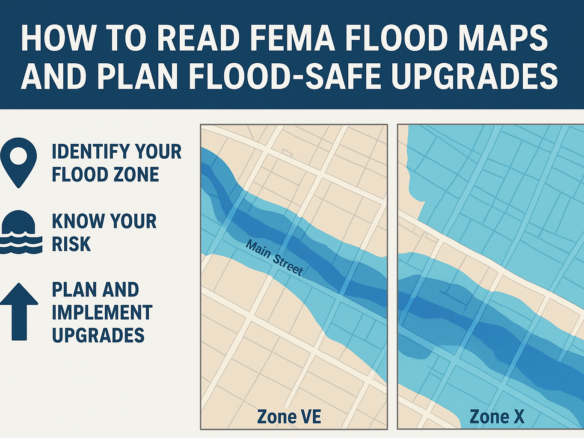
- Prepare for the weather: Zip codes closer to the Willamette River can occasionally experience minor flood risks. Checking local flood zone maps is a wise addition to your search.
- Factor in walkability or parking: Busy zip codes might offer great walkability but limited parking. Decide what trade-offs you are willing to make.
Schedule neighborhood walkthroughs
Whenever possible, visit the neighborhoods you are most interested in. You can learn a lot by simply exploring an area on foot or driving around on different days and times:
- Weekday lunch versus weekend evening: Traffic patterns and noise levels can fluctuate dramatically.
- Attend open houses in multiple zip codes: Even if a particular home is not your dream property, the open house gives you a sense of local architecture, community vibe, and everyday traffic flow.
- Visit local parks or shopping areas: These shared spaces often reveal how active or family-friendly a neighborhood truly is.
Put it all together
By the time you have studied a portland oregon zip code map, researched average home prices, explored schools, planned your commute, and visited the neighborhoods, you will have a well-rounded view of your future home. While zip code boundaries are just one part of the puzzle, they serve as a framework that guides everything from property taxes to the type of local coffee shop you will call your favorite.
Quick recap
- Start with a reliable zip code map and confirm it is up to date.
- Understand that each of Portland’s six major sections boasts unique styles, amenities, and price points.
- Compare housing data within each zip code so you will know if prices, taxes, or insurance rates fit your budget.
- Overlay commute considerations, verifying transportation routes before choosing a specific area.
- Look into schools, parks, libraries, and other essential community services.
- Double-check the correct postal code for your address to avoid mailing snafus and confusion.
- Always do in-person visits when you can, speaking with neighbors or local business owners for real-world insight.
Wrap up your address search
Purchasing a home in Portland is an exciting chapter, and using a Portland Oregon zip code map is an effective way to simplify your decision-making process. From verifying your address to exploring local hotspots, you have a lot to look forward to. Take your time, plan neighborhood visits, and lean on professional resources to confirm you have the right zip code to call home. Once you have that perfect place, you can settle in and enjoy the best that Portland has to offer—knowing that you picked the right location for your unique lifestyle.
If you have a zip code question or a house-hunting story to share, your new neighbors would love to hear it. Portlanders take pride in forming tight-knit communities, and sharing insider knowledge on where to find that best morning coffee or the prettiest walking trail can make your transition a breeze. Good luck in your journey toward finding the perfect Portland zip code!