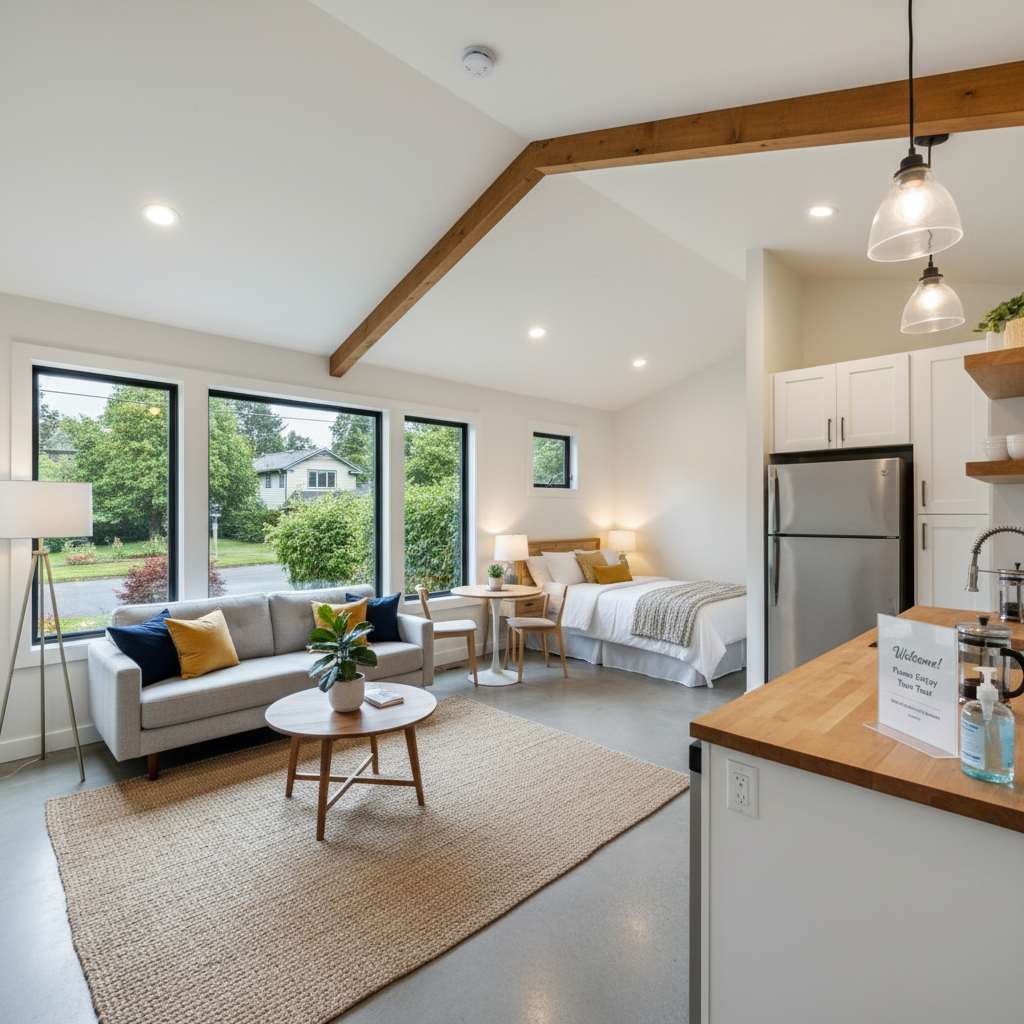
Handling showings for an occupied ADU in Oregon requires attention to adu rental showing guidelines oregon. Whether you are a seasoned landlord or new to renting out your ADU, you want to keep your tenants happy, protect their rights, and avoid disputes that can derail your schedule. In this ultimate guide, you will discover how to handle everything from legal entry rules to practical communication, giving you plenty of confidence in handling showings for your occupied Oregon ADU.
Understand Oregon entry rules
Before you schedule a single showing, it is crucial to understand and follow Oregon’s laws on landlord entry. Generally, you are required to provide at least 24 hours’ notice before entering an occupied rental. This rule applies to ADUs just as it does to regular apartments and single-family homes. However, there can be exceptions, such as emergencies or repairs that urgently protect the health or safety of the occupant. Still, if you plan to show the property to prospective tenants or buyers, the default 24-hour notice is your starting point.
Some local jurisdictions might have tighter regulations, so you will want to check any municipal rules that go beyond statewide requirements. If you are ever unsure, read your rental agreement and consult Oregon landlord-tenant resource sites for the most current information. Staying informed keeps you on the right side of the law and protects your tenant’s privacy.
Plan showings around tenant schedules
Once you know the minimum notice rules, your next step is to plan showings in a way that respects your tenant’s daily rhythm. You want to choose dates and times that minimize disruption. Everyone has a different work schedule, and some tenants might be working from home, attending school, or looking after family.
Try to discuss a few possible windows for showings with your tenant before you finalize them. Even if the law allows you to set the schedule, aiming for consensus will encourage cooperation and reduce friction. You may consider weekends or after-work hours, if that is what your tenant prefers. This neighbor-friendly approach helps you maintain a positive rapport, which often means an easier viewing process for everyone.
Communicate clearly before each visit
While Oregon law mandates 24 hours’ notice for entry, best practices suggest giving a bit more lead time. If possible, notify your tenant 48 hours or more in advance. This courtesy signals respect for their routine and gives them enough time to tidy up or step out if they prefer not to be home during the showing.
When you deliver your notice, specify the date, exact time range, and reason for the entry. If you anticipate multiple prospective tenants dropping by over a window of several hours, let your occupant know. Convey that you appreciate their patience and outline how you plan to protect their privacy, such as by supervising visitors to ensure belongings remain untouched. A straightforward message helps avoid confusion and shows that you take their comfort seriously.
Use polite scripts for smooth showings
Even if you have handled showings many times, it can be challenging to phrase requests without sounding pushy or abrupt. Having a couple of go-to scripts can simplify these interactions. Here is a short example:
“Hello [Tenant Name],
I hope you are doing well. I wanted to let you know I would like to schedule a showing on [Date] between [Start Time] and [End Time]. We will be looking at the ADU’s main areas and taking a quick look at the backyard as well. I will make sure to supervise any prospective tenants and respect your personal items. Please let me know if there is a specific time within that window that works best for you. Thank you for your flexibility.”
Offering a friendly yet professional tone reminds your tenant that you value their time and their privacy. When you present a single or small range of time slots, you are more likely to find a compromise that works out for everyone.
Handle conflicts and maintain trust
Occasionally, you might face pushback from a tenant who does not want to cooperate with the showing schedule, especially when the unit is occupied by someone protective of their space. Before the conversation escalates, try to approach the conflict calmly. Listen to their concerns and see if small adjustments could solve the problem, such as shifting the start time by half an hour or staggering multiple viewings into one consolidated block.
If you reach an impasse, remind them of the legal guidelines that allow you to enter with proper notice for valid reasons. Express that you want the process to go smoothly for them too, and you appreciate their perspective. Most tenants, once reassured, are willing to compromise. In more serious cases, referencing the terms in your rental agreement or consulting an attorney can help you stay aligned with state regulations and protect your rights.
Review final steps for compliance
Once you have ironed out the details, confirm them in writing. Sending a short follow-up message (via email or text) ensures both you and the tenant have the same understanding. By documenting your agreement, you are also providing a reliable paper trail in case you need it later.
Below is a concise checklist of key steps to keep you organized:
- Verify local regulations and adhere to the 24-hour notice rule or stricter local laws
- Communicate with your tenant ahead of time and aim for flexible scheduling
- Provide a clear reason for entry in all notices
- Use respectful scripts and polite language to avoid upsetting your tenant
With these best practices in mind, you can conduct showings in your occupied ADU while staying on good terms with your tenant. As Oregon’s regulations evolve, possibly shifting in 2026 or beyond, staying abreast of these adu rental showing guidelines oregon remains essential. A well-informed and diligent approach safeguards both you and your tenant, promoting an atmosphere of trust and openness every time you schedule a showing.